Bring Home a Legacy from the John Lewis Flowering Forest
Trees Atlanta launches a multi-year giveaway program to give away 1,000 trees to celebrate the installation fo the Flowering Forest, a tree tribute to John Lewis. The trees offered are selected to match the same species growing in the Flowering Forest.
Plant a flowering tree in your yard as a personal extension of the Flowering Forest and connect your neighborhood to John Lewis’ enduring legacy.
The first giveaway of 100 trees is Saturday, April 11 at Freedom Park and must be claimed in person (first come, first serve). Scroll to see a list of trees offered at this event.
Help Us Care for the Flowering Forest on April 11
A 1.5-mile corridor of tribute trees are planted, and now they need our help to grow strong and healthy. On the same morning as the giveaway, we’re organizing a community mulching project to care for the young trees growing along the parkway. Mulching is one of the single most impactful things you can do for a young tree. It helps retain moisture, regulates soil temperature, suppresses weeds, and support the soil ecosystem that helps roots grow deep and strong.
Whether you’re picking up a tree for your yard or simply want to be part of the Flowering Forest, come out and help us get these trees ready for a warm summer.
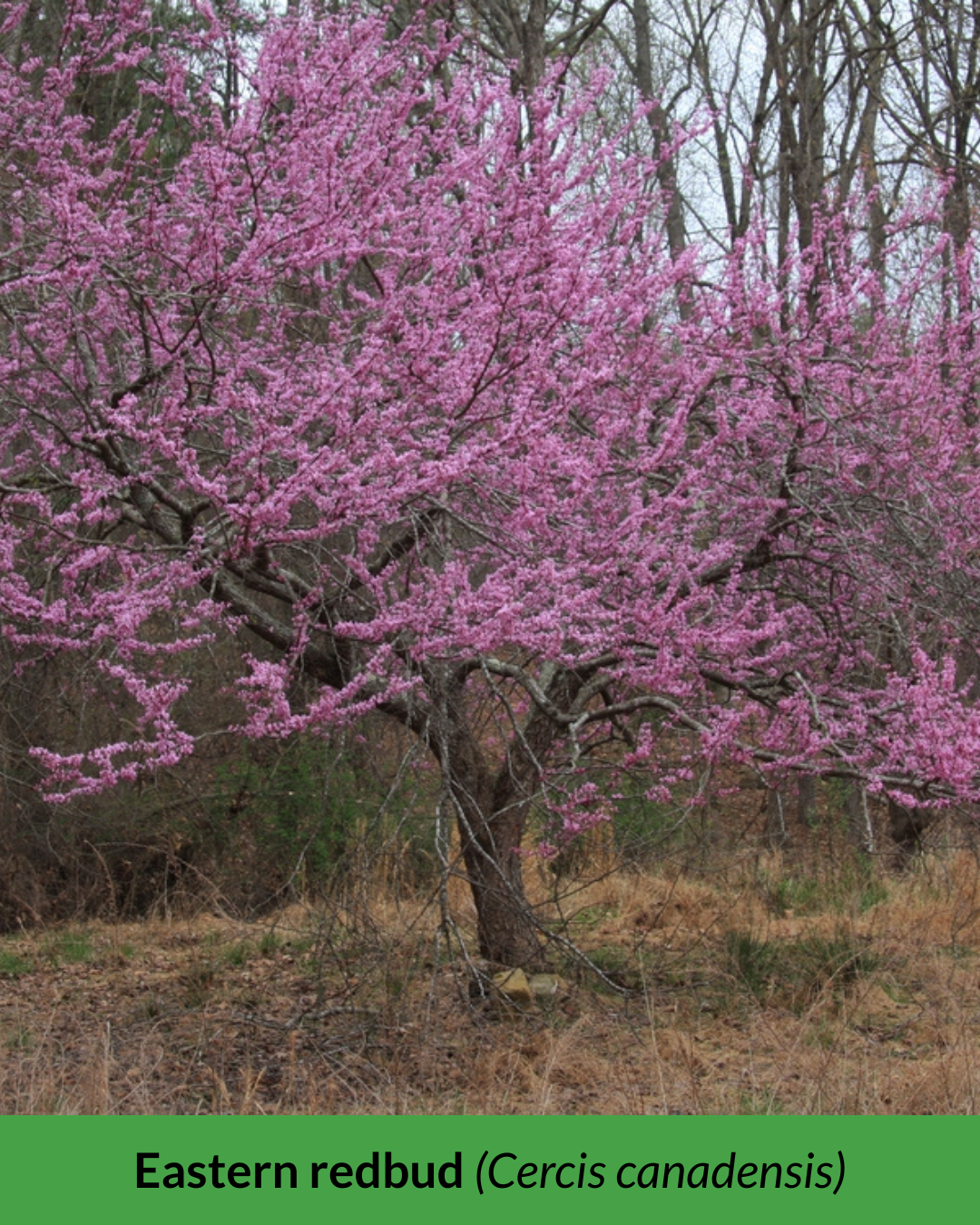
Meet the Trees You’ll Be Taking Home
On April 11, we’re giving away four flowering tree species, free to anyone who wants to plant one. Recipients must provide full contact information, including address. Come celebrate the completion of this one-of-a-kind project by bringing a piece of it home.
American Basswood (Tilia americana) One of the great shade trees of eastern North America, the American basswood blooms in late spring with clusters of vibrant yellow flowers. This hardwood grows relatively quickly and tolerates clay soils well, making it a good choice for Atlanta yards.
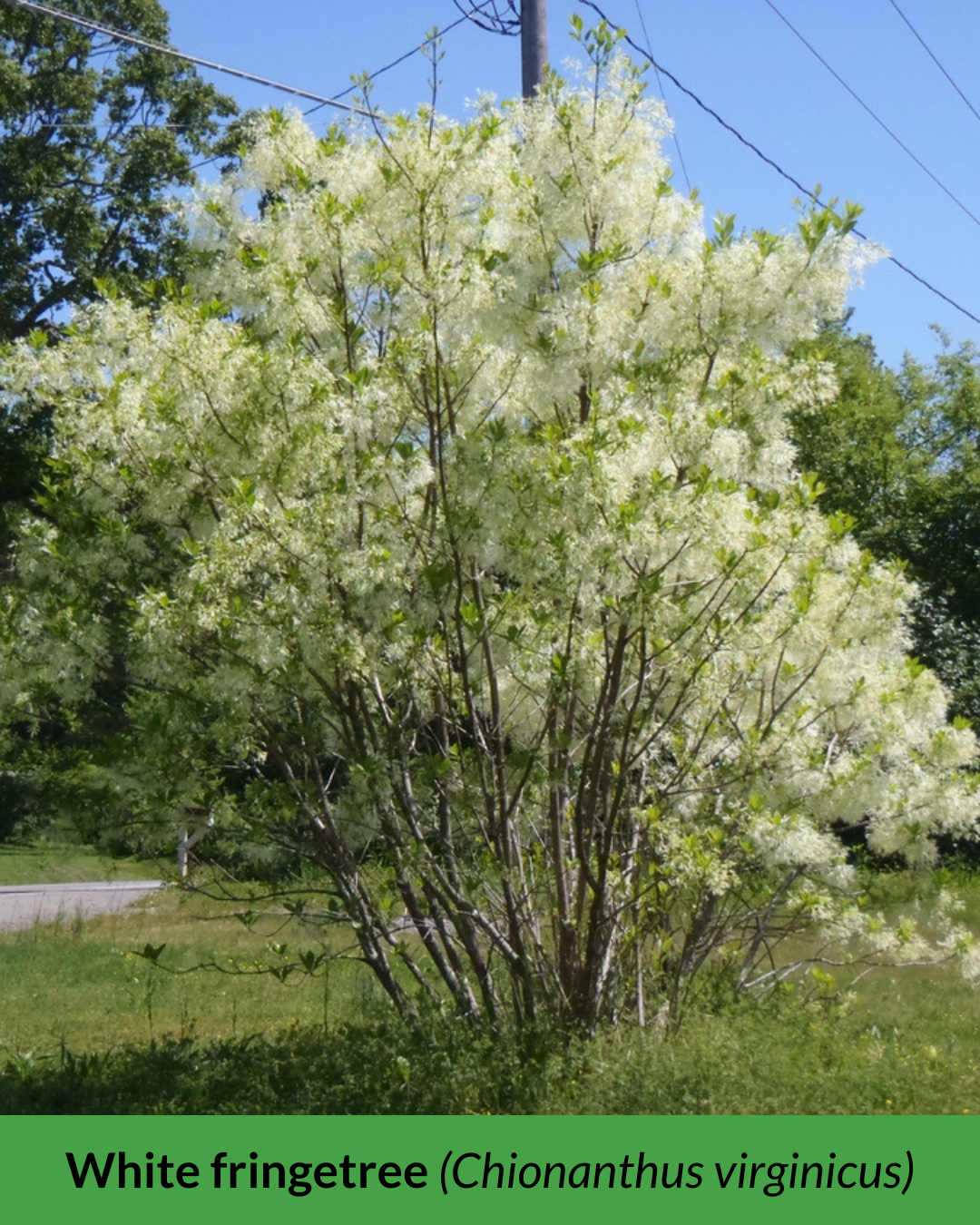
White Fringetrees (Chionanthus virginicus) The white fringetree grows to 12 -20 feet, which fits into most urban yards. In late spring, fragrant clusters of creamy, fringe-like white petals appear, followed by blue-black fruits in late summer that birds and wildlife love.
Pawpaw (Asimino triloda) The pawpaw produces North America’s largest native edible tree fruit and was name 2026 Plant of the Year by the Georgia Native Plant Society. In spring it bears deep purple flowers, follower by clusters of sweet fruit in the fall.
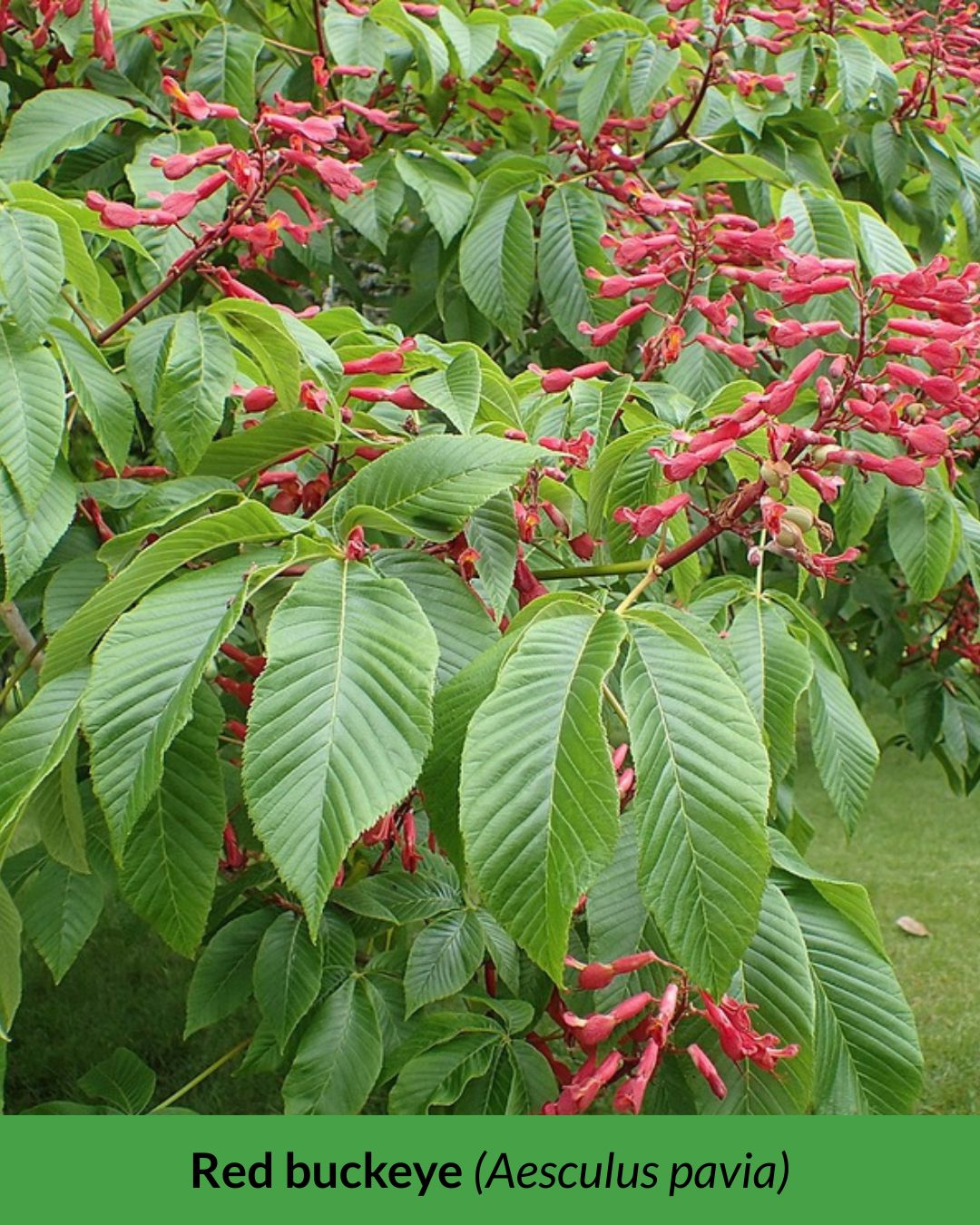
Red Buckeye (Aesculus pavia) At home in partial shade, the red buckeye put on a stunning spring show with bright red flower clusters that last about a month. It’s a favorite stop for hummingbirds and butterflies. Note: Seeds and young shoots are toxic if ingested; plant thoughtfully in households with young children or pets.
About the John Lewis Flowering Forest
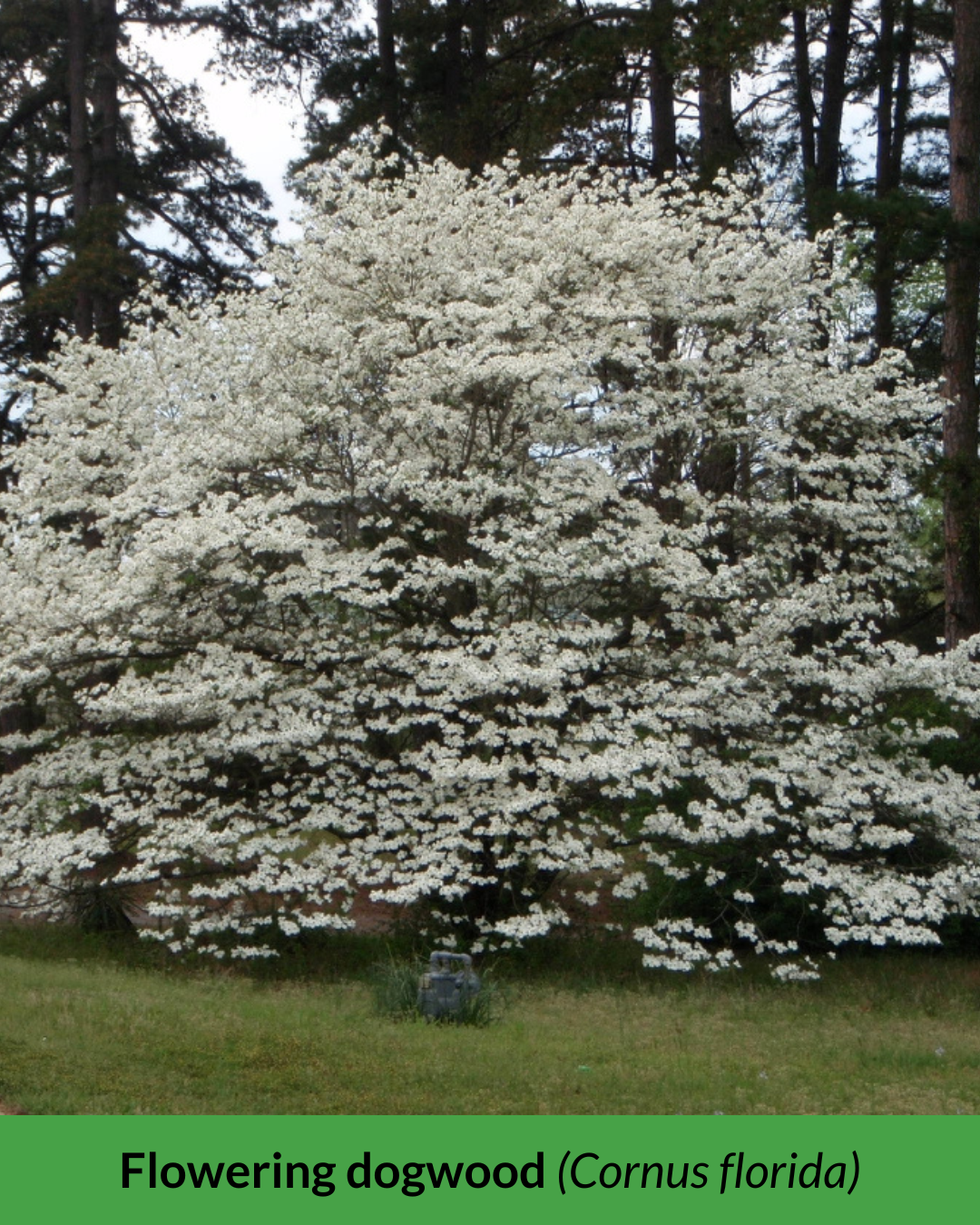
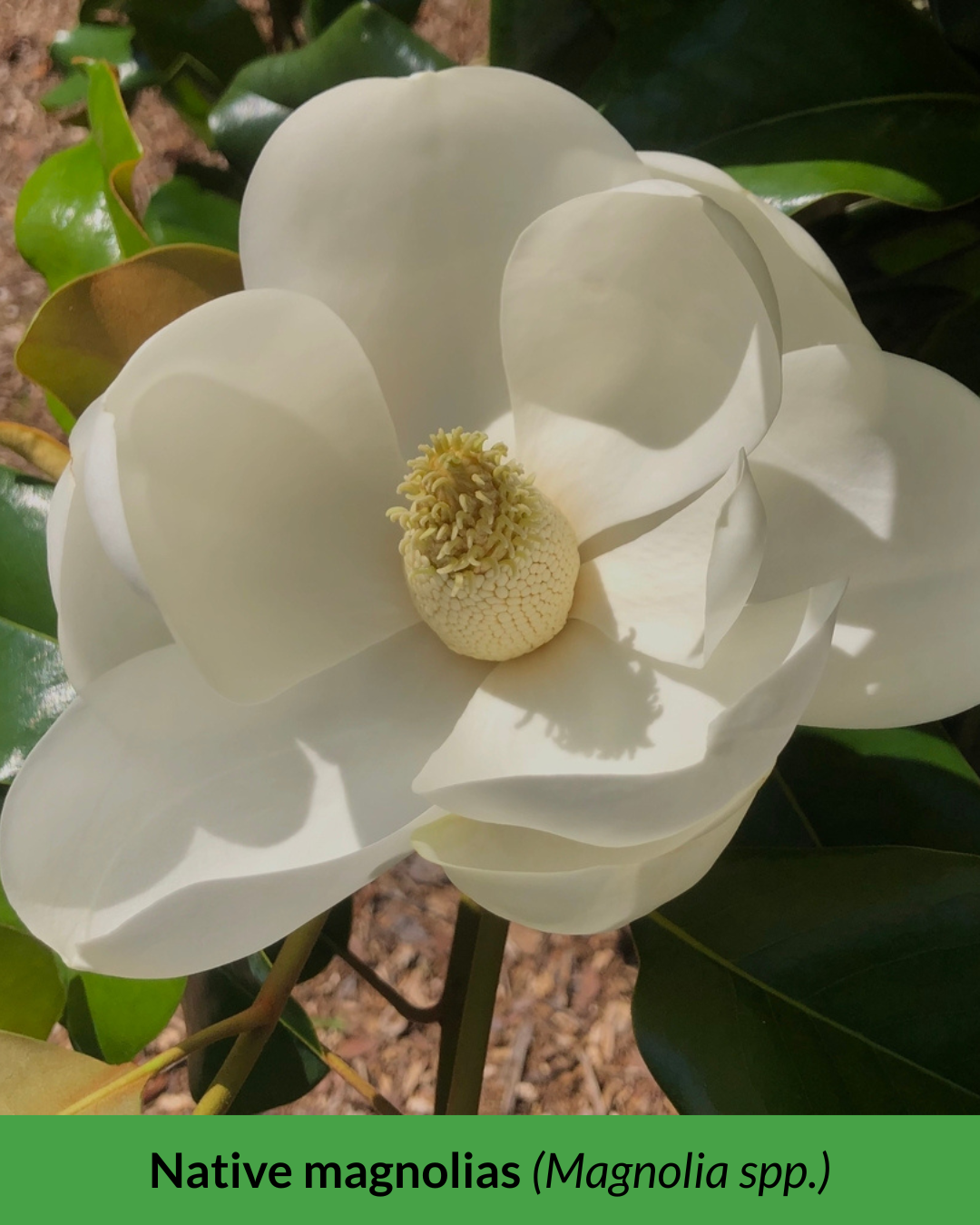
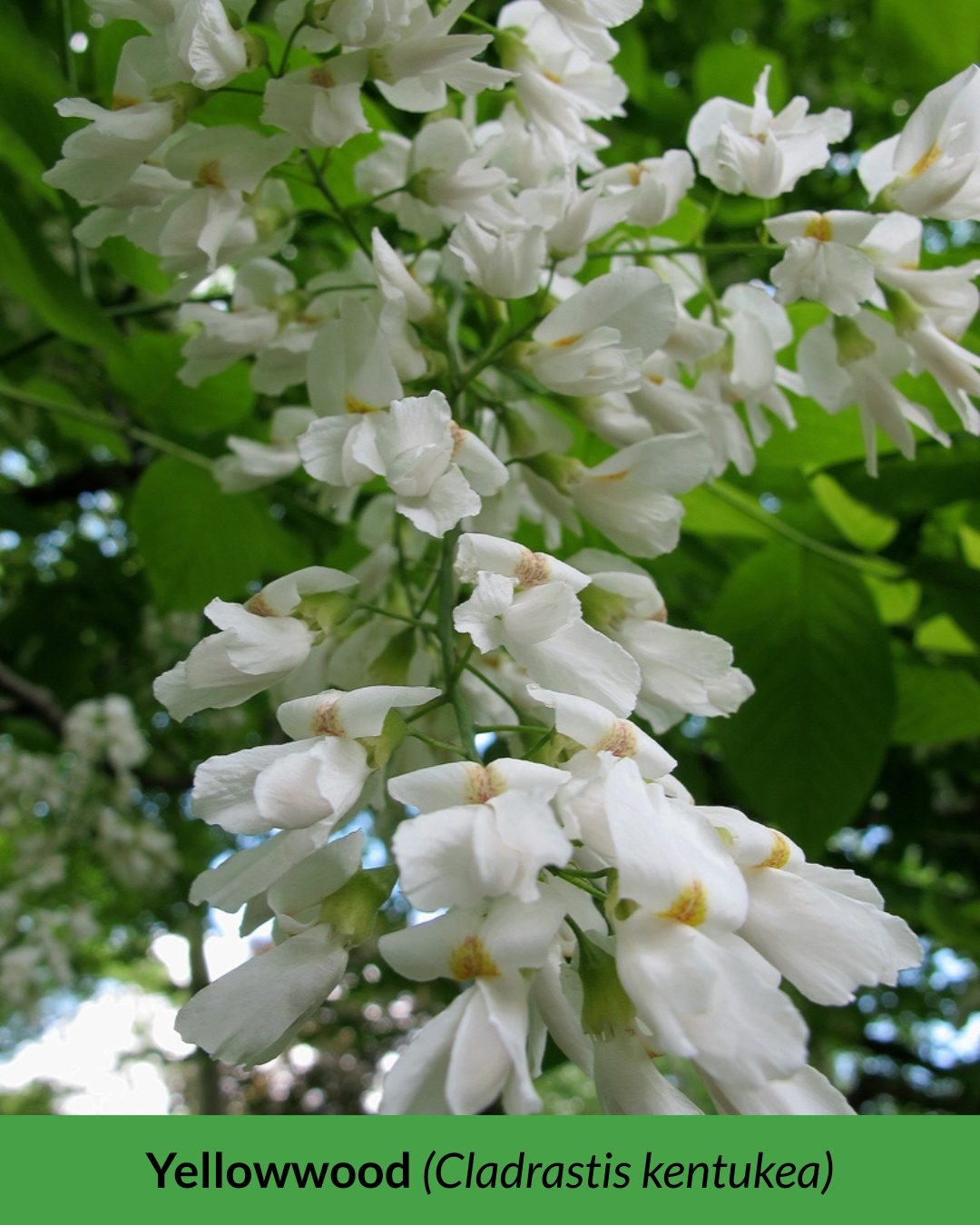
In 2021, Trees Atlanta, the Freedom Park Conservancy, and The National Center for Civil and Human Rights joined together to create the Flowering Forest, a beautiful corridor of native flowering trees stretching nearly 1.5 miles through Freedom Park — linking John Lewis Plaza, The Carter Center, and The King Center. The trees begin to bloom each February right around Congressman John Lewis’ birthday, transforming the parkway into a blooming celebration.
The Flowering Forest was planted with native tree species that bloom from late winter and to early spring. Over the course of the multi-year planting project, the parkway has been filled with 1,500 flowering trees and shrubs.
Published on: March 31, 2026


