Building a Butterfly Garden: Lessons From the Atlanta Beltline Arboretum
Written by Ryan Worley, Trees Atlanta Beltline Arboretum Collections Supervisor
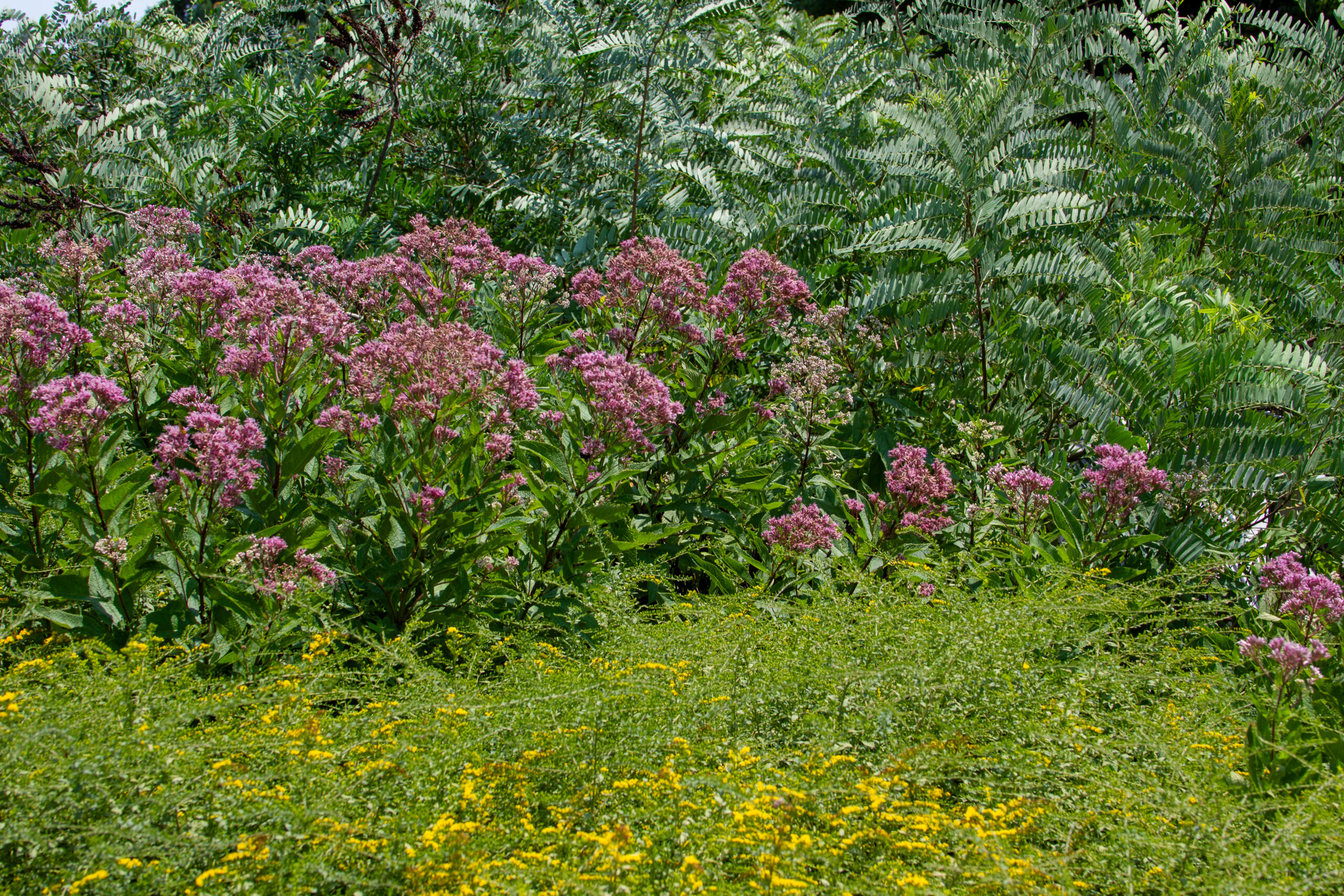
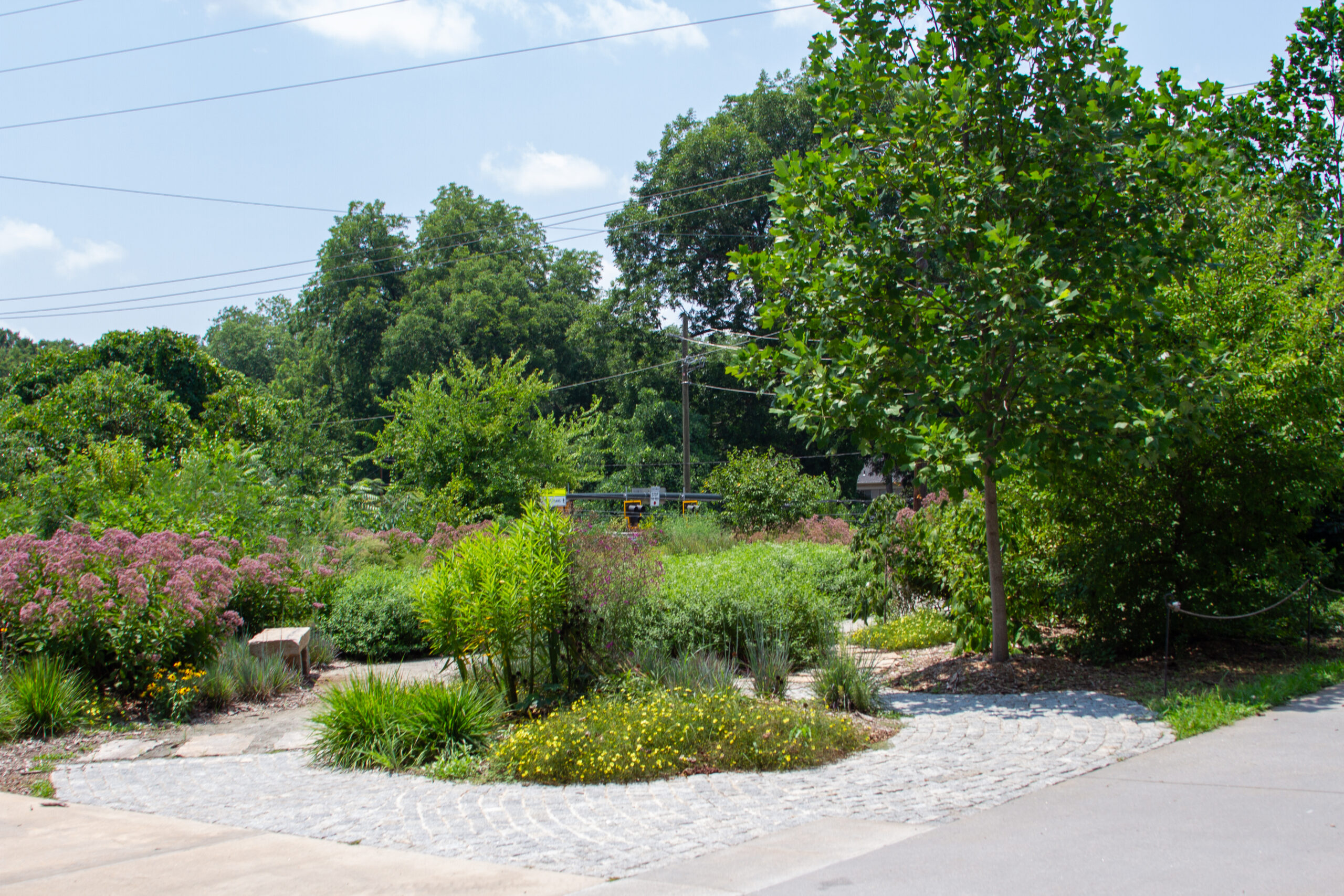
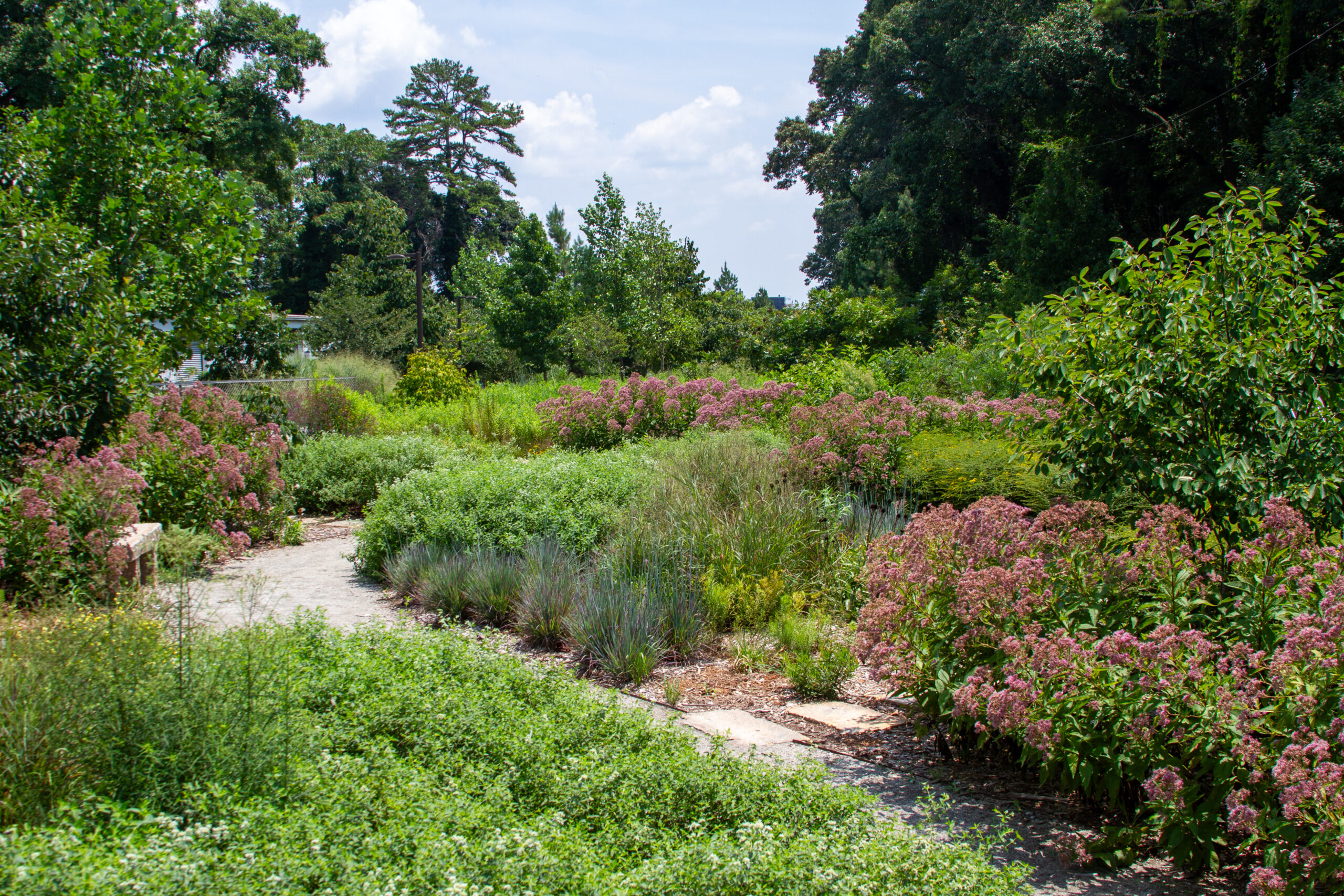
The Butterfly Garden Collection on the Atlanta Beltline Arboretum is a critical and valuable space for several reasons, but there’s one reason right there in the name— the butterflies! All the plants in the Butterfly Garden provide something important for lepidopterans (butterflies and moths). Insects are just like us— we all need food and shelter. When we think of food for pollinators, we might first imagine butterflies drinking flower nectar, caterpillars eating leaves, or bees gathering pollen. All of these are important building blocks of a pollinator garden ecosystem, but it’s important to remember that the garden is more than just a feeding area: it’s also a home that must accommodate our pollinators year-round.
Host Plants
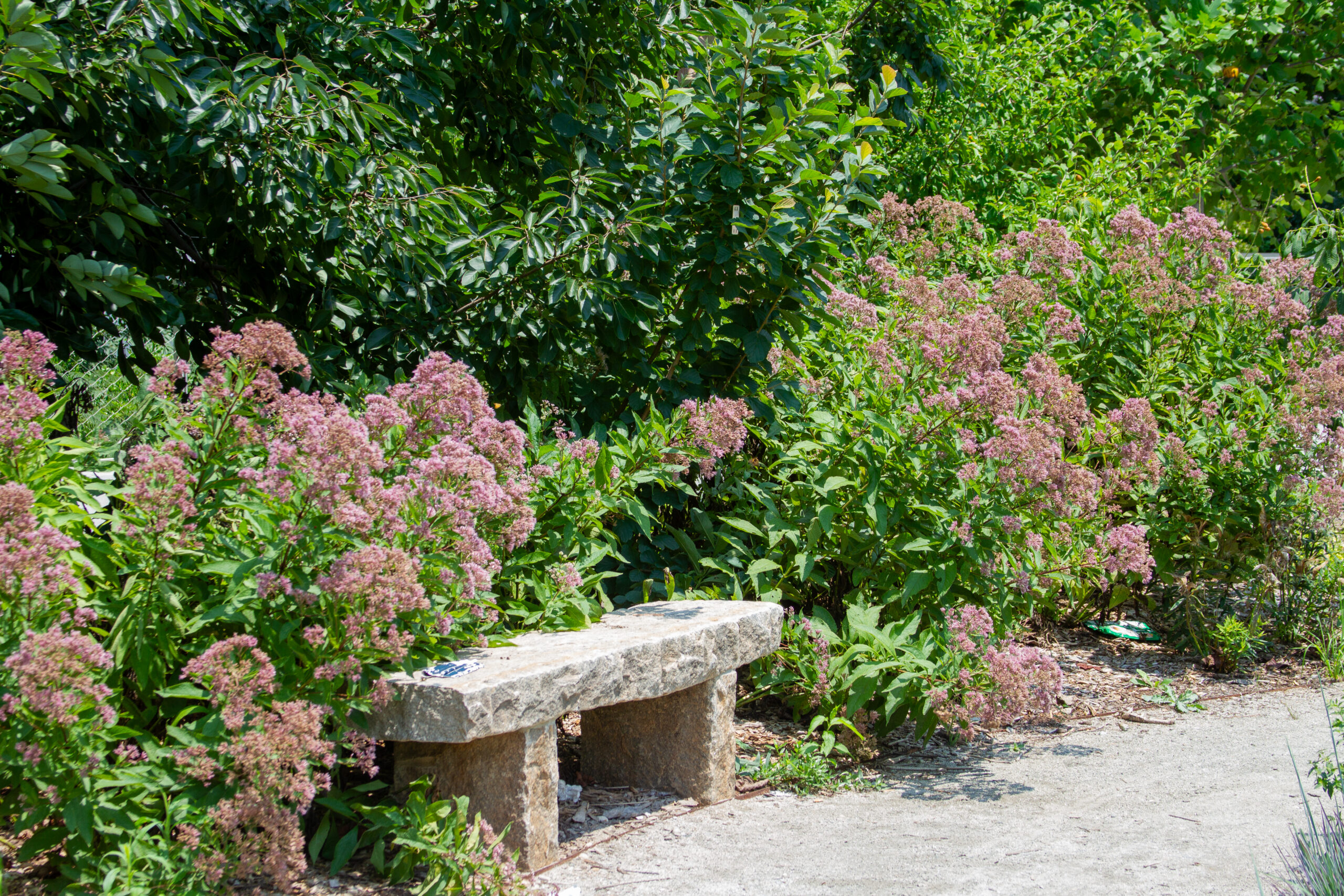
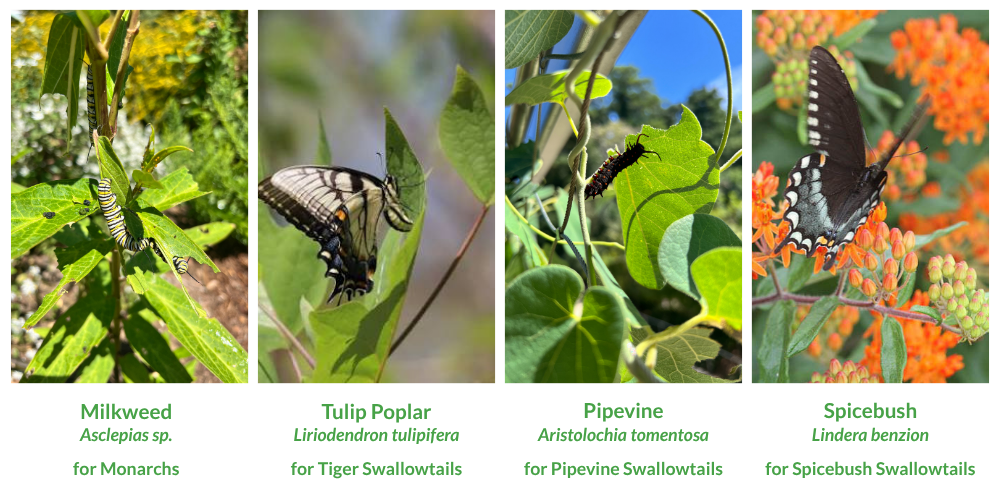
Did you know that butterfly larva (caterpillars) need specific plants in order to survive? These are called host plants. Up to 90% of our native insects need their specific host plant in order to survive. The caterpillars of some of our most recognizable butterflies (like the monarch or tiger swallowtail) can only eat the leaves from very specific species of plants, and the Butterfly Garden on the Beltline Arboretum has a long list of them, including:
Nectar Sources
Caterpillars don’t drink— they only eat leaves; butterflies don’t eat— they only drink nectar! So as they undergo their metamorphosis, their source of food changes too, and the Butterfly Garden has everything they need as they grow. While some plants are important for their leaves, others are important for the amount of nectar they provide.
Some of the biggest nectar and pollen producers in the garden include:
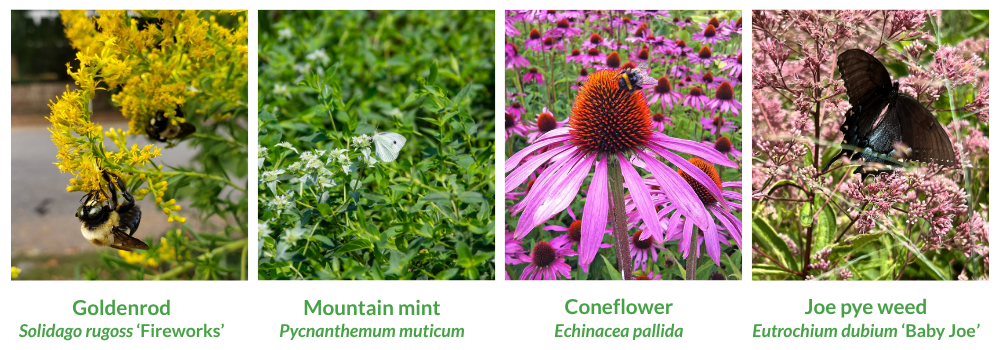
These same plants provide an abundance of resources for other pollinators too— bees, wasps, birds, and anyone else who decides to stop by for a snack.
Shelter and Space
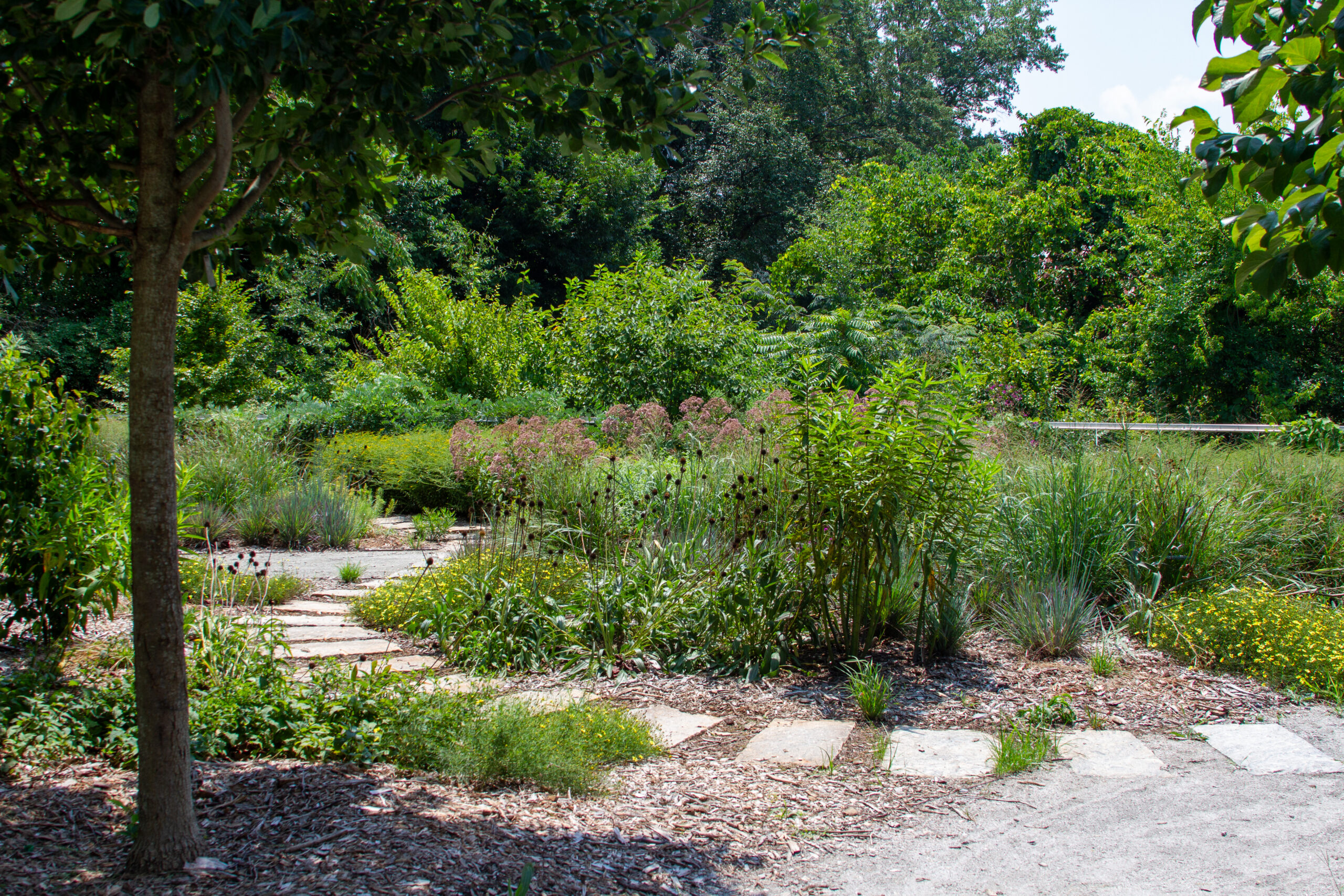
A good pollinator garden provides more than food; it must also offer shelter and protections from predators and cold weather. The Butterfly Garden is a year-round home for pollinators and other wildlife. Caterpillars hide in the tall switchgrass (Panicum virgatum) to pupate, birds nest in the trees, and bees burrow into the hardened goldenrod (Solidago rugosa) and ironweed (Veronia augustifolia) stems for protection from winter weather. Some larvae prefer to overwinter under the leaf litter that drops from the trees. We leave the leaves as mulch year-round, and we don’t cut back the stems and grasses until signs of spring arrive, giving overwintering insects time to emerge from hibernation, and leaving seed heads up all winter as a food source for birds. A garden really provides its own best resources for all of its inhabitants.
Bring the Butterfly Garden Home
When selecting plants for your pollinator garden, think about abundance and variety. Aim for at least two or three species that bloom in each warm season. Below is a chart showing this concept using some of what’s in the Butterfly Garden.
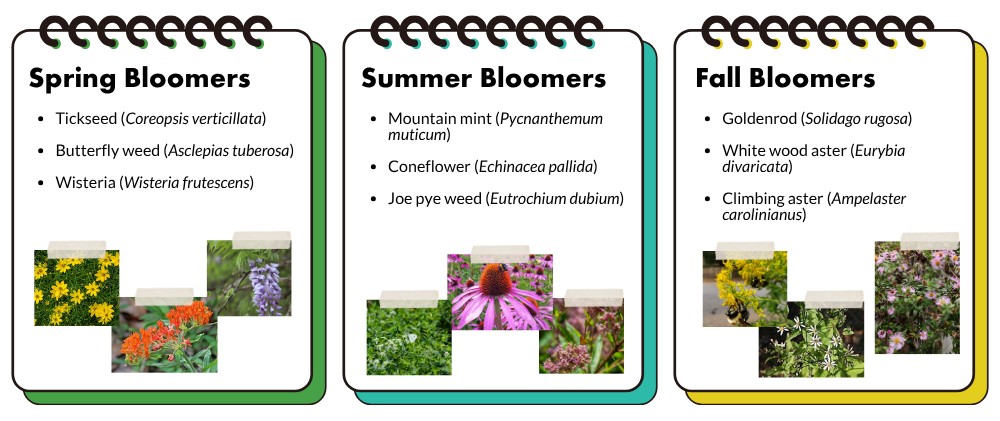
Make your own chart of plants that bloom throughout each season, and you’ll attract lots of happy pollinators. Summer, especially late summer, is a particularly hard time for pollinators because of the heat and lack of food, so be sure to include bloomers for that stretch.
More Than Just Flowers
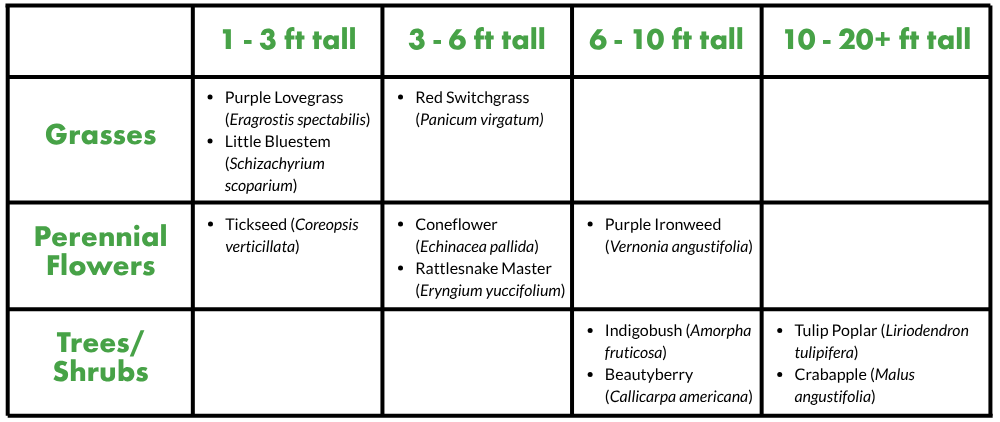
Variety in shape and size matters too. When we imagine a garden, we usually picture clumps of perennials in drifts— and essential, but not the whole habitat a pollinator garden needs.
Trees and shrubs add structure and depth. Some bloom earlier than most perennials (willows, maples, witch hazels), and their fallen leaves make the perfect mulch for insects overwintering underneath. Grasses add texture and give animals a place to nest or hide from predators; their seeds heads feed birds through winter, and their dried leaves become spring nesting material.
Shape and Size Variety in the Butterfly Garden
A few rules of thumb to keep in mind:
- Have at least two blooms for each season
- Choose a diversity of plants
- Use native plants— they’re far more beneficial to our native pollinators
- Vary your plant sizes (grasses, shrubs, perennials, trees)
- Start as small as you need to
We’ve only scratched the surface of the Butterfly Garden and its benefits. Come see it for yourself— the traffic noise fades as you watch the butterflies drift from flower to flower, and bees, flies, wasps, and butterflies share all share the same blooms. And if you plant even a few of these species at home, you’ll be building the same kind of habitat, one yard at a time.
 About the Author: Ryan Worley is the Beltline Arboretum Collections Supervisor at Trees Atlanta. He oversees the maintenance and development of special collections in the Atlanta Beltline Arboretum, such as the Longleaf Pine Savanna and Bog, the Stumpery Garden, and the Butterfly Garden. With over three years of experience in public garden maintenance, he’s an advocate for increasing native plant biodiversity in urban landscapes. In his free time, he enjoys making music and playing chess.
Published on August 8, 2026


