Growing Resilience: The Power of Native Plants
Written by Madison Cummiskey, Trees Atlanta Forest Restoration Senior Manager
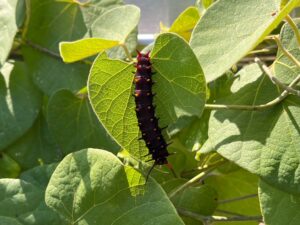 A native plant is one that occurs naturally in a certain region prior to European colonization. These plants have naturally adapted throughout the years to maintain their presence in the region’s climate and landscape. There are about 20,000 native plants in North America that provide economic, ecological, genetic, and aesthetic benefits to our local ecosystems, as well as creating a sense of place and connection for humans to the land around them. Unfortunately, around 25% of native North American plants are at risk of extinction due to habitat loss from development, invasive plant species, and other land disturbances. As individual species become at risk of extinction the whole plant community becomes at risk, devastating local ecosystems. This is why the preservation and use of native plants during restoration is vital to keeping our ecosystems intact.
Preserving native plant species and using them to replant during and after restoration helps reverse the trend of species and habitat loss. Native plants in the landscape creates genetic diversity within these plant species that can influence long term chances of survival and growth, therefore increasing ecosystem benefits.
These benefits to the ecosystem include:
- food and habitat for wildlife
- long root systems that keep soil in place
- water conservation
- combat climate change
- long-term ecosystem protection
- beauty to the landscape
- preservation of natural heritage
Atlanta is located at the bottom of the piedmont region (the foot of the Appalachian mountains) which has a mix of natural communities due to the variation in topography and soils. These natural communities consist of upland forest and woodland communities, open natural communities, and wetland communities. Within these natural plant communities are hundreds of native plant species that should be present. Unfortunately, in Atlanta we are losing .43 acres of urban tree canopy covered areas every day due to development, invasive plant pressure, tree age, and weather events. Not all is lost because through advocacy and preservation of native plants, rehabilitation of these communities is extremely possible.
When considering restoring an ecosystem it is first to identify the ecotype — population of plant species uniquely adapted to the local environmental conditions — or forest type of the landscape in order to preserve native plant species.
Things to consider when determining the type of landscape:
- hydrology
- topography
- soil type
- plants that are currently present
- plants that are missing
- climate
All these factors will go into the restoration process that you decide to use when creating your management plan. Your restoration efforts should not further the damage to the ecosystem so do your research on proper methodologies for the space. Keep in mind that certain restoration practices can create soil disturbances and further the habitat damage so native plants will not thrive.
Once proper restoration practices have been decided, next take into account the time needed to restore the area so you can properly plan what needs to be done. Throughout restoration, you should monitor the area and observe the soil seed bank (the natural storage of seeds, often dormant, withing the soil of most ecosystems) to see if it is thriving. If it isn’t, then replanting with native plant species appropriate for the space is key.
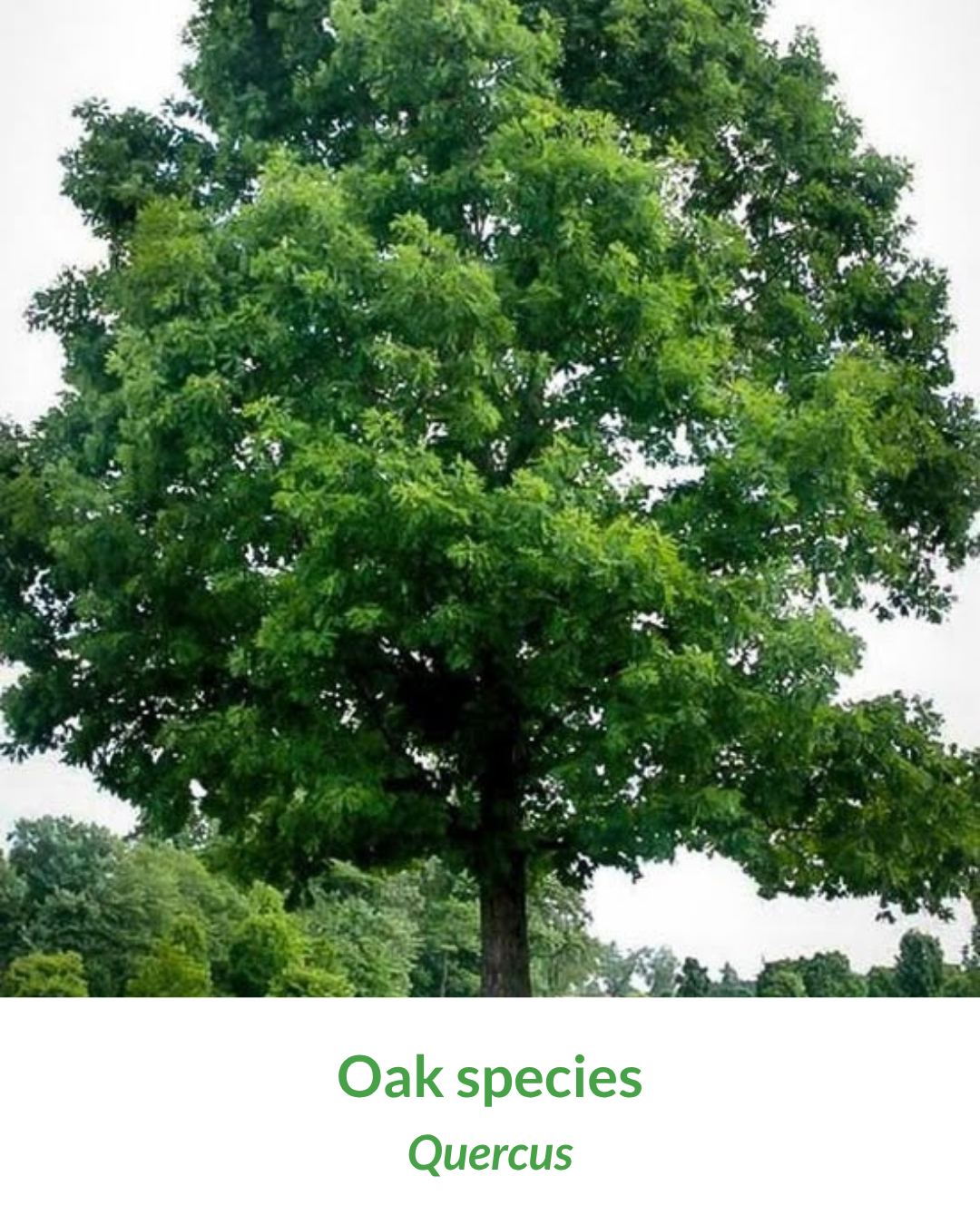
Choosing species should be based on what is missing in the landscape, but also what species will do well based on the level of succession the landscape is in. You want to choose species that will thrive and create the natural habitat that you are restoring that will provide long-term ecosystem benefits. For example, our native oak species support over 500 species of caterpillars and keep our local bird habitats supplies with food. Restoration can scale from hundreds of acres to your front yard and every urban green space in between. Every space is important for the preservation of our natural plant communities.
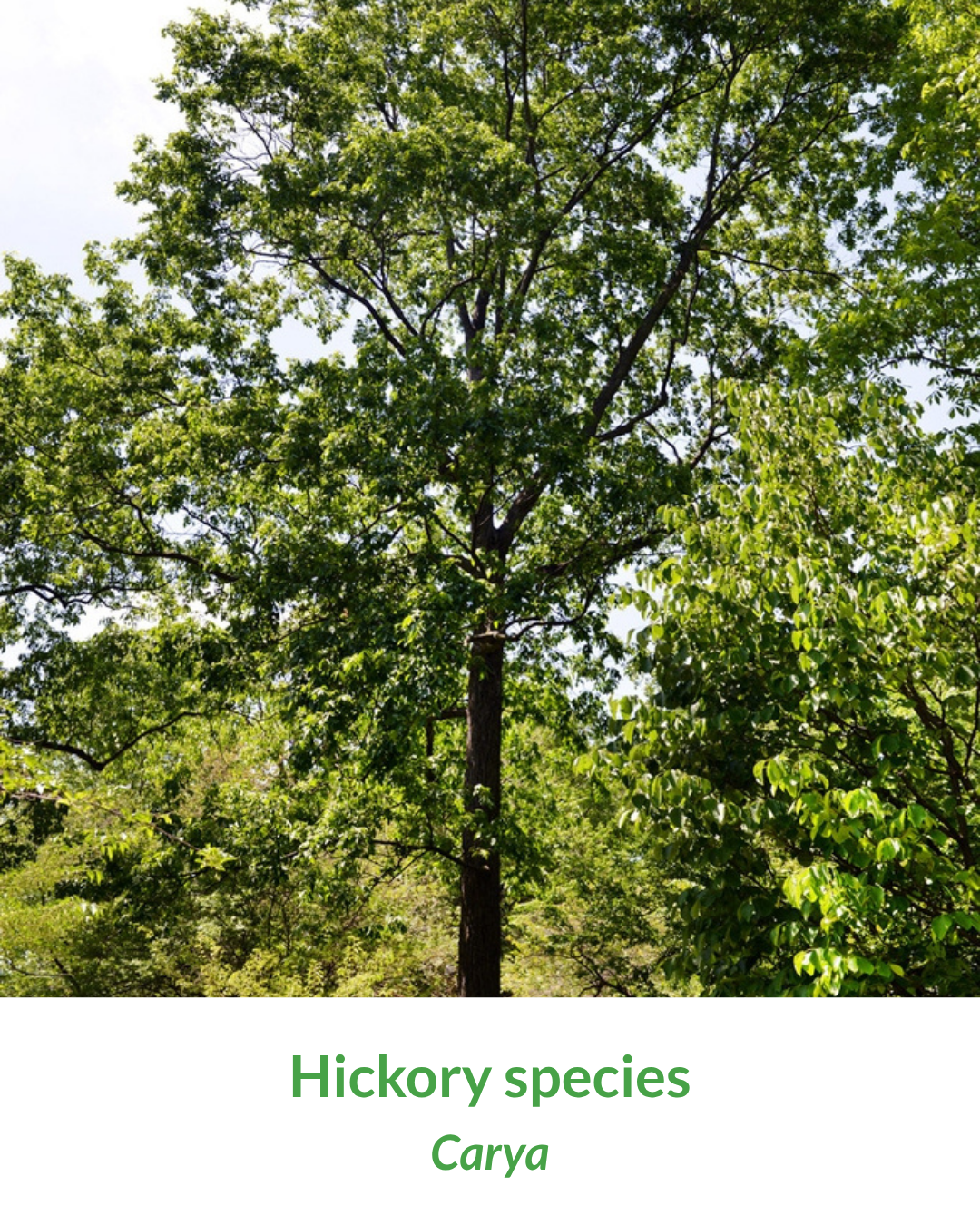
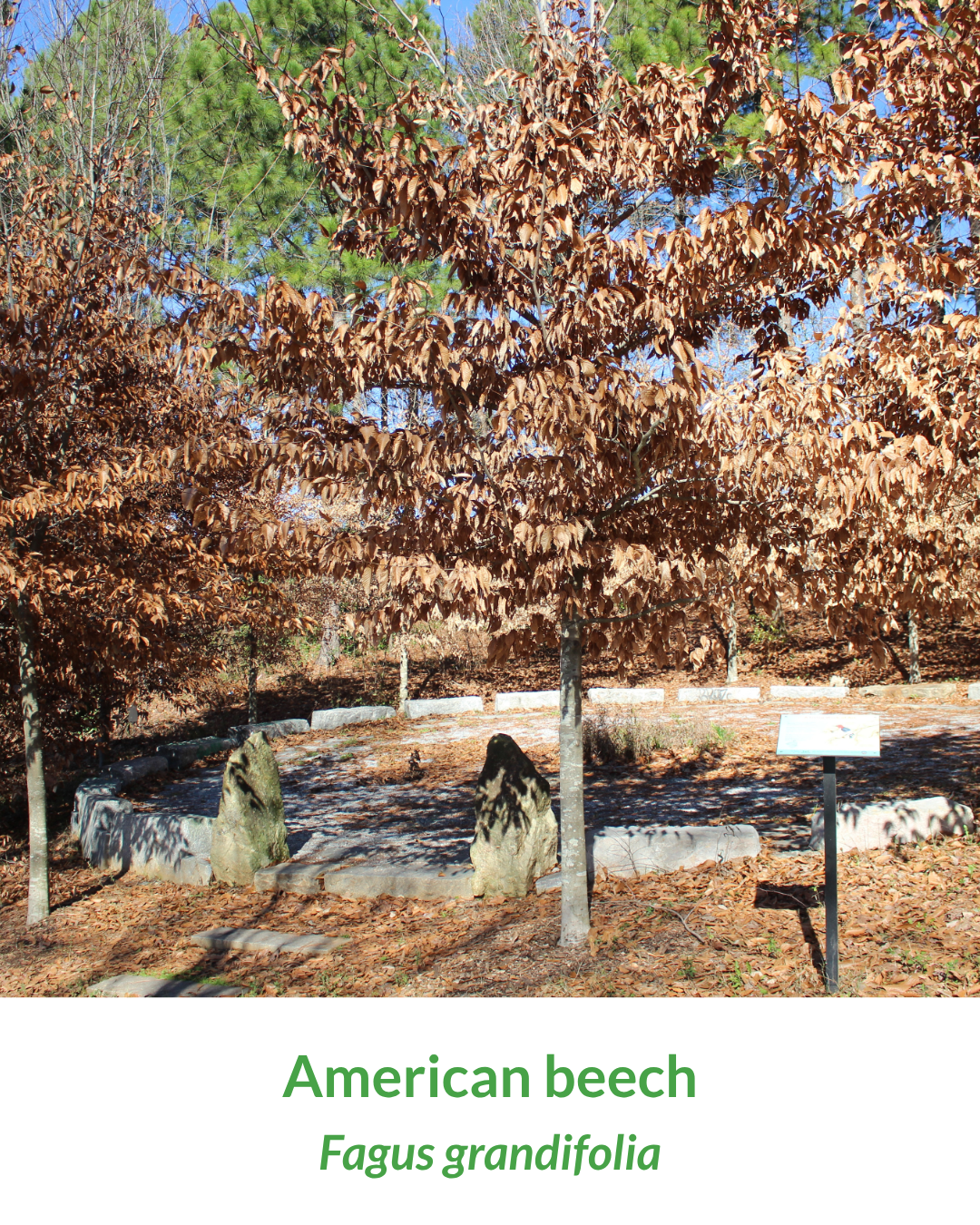
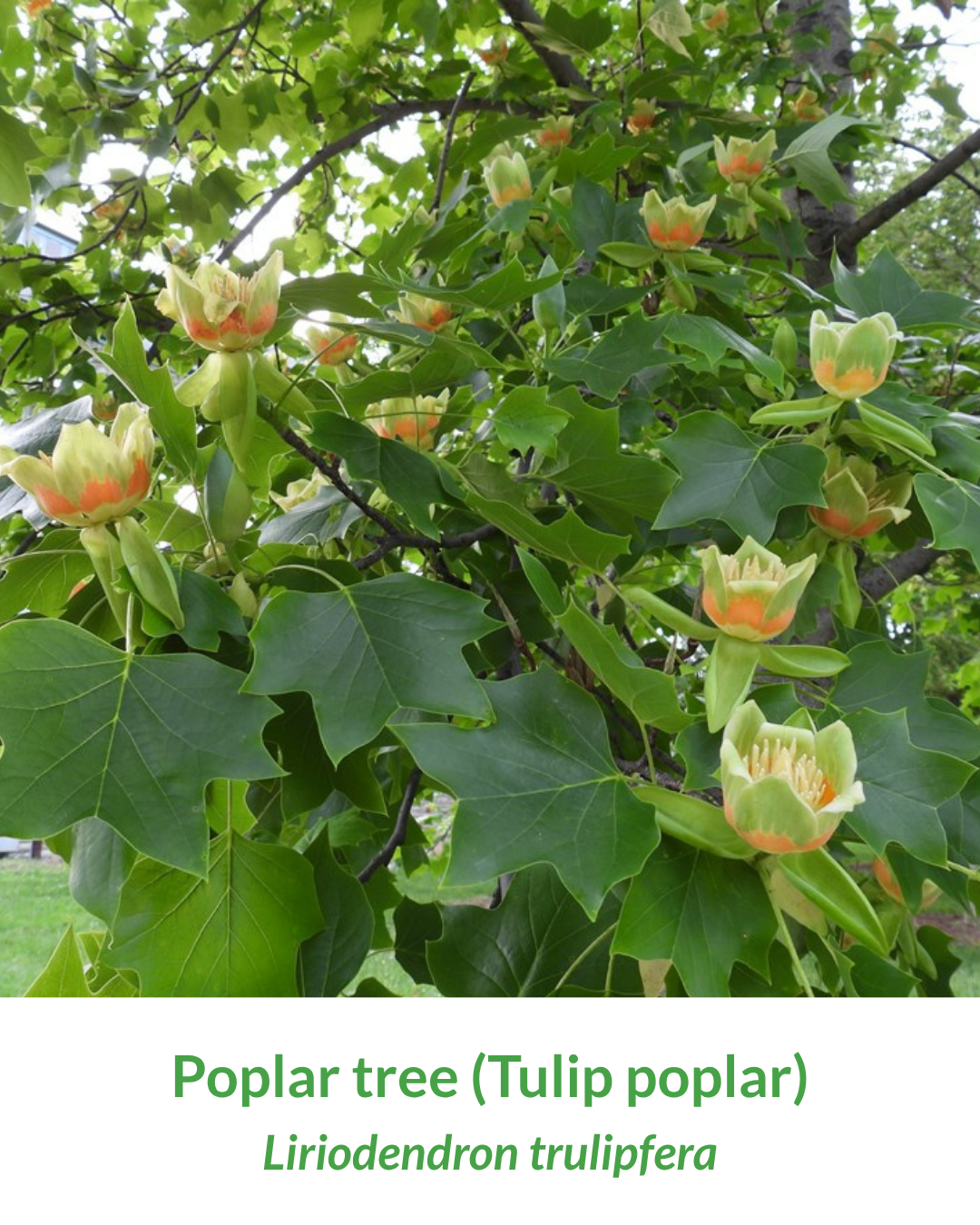
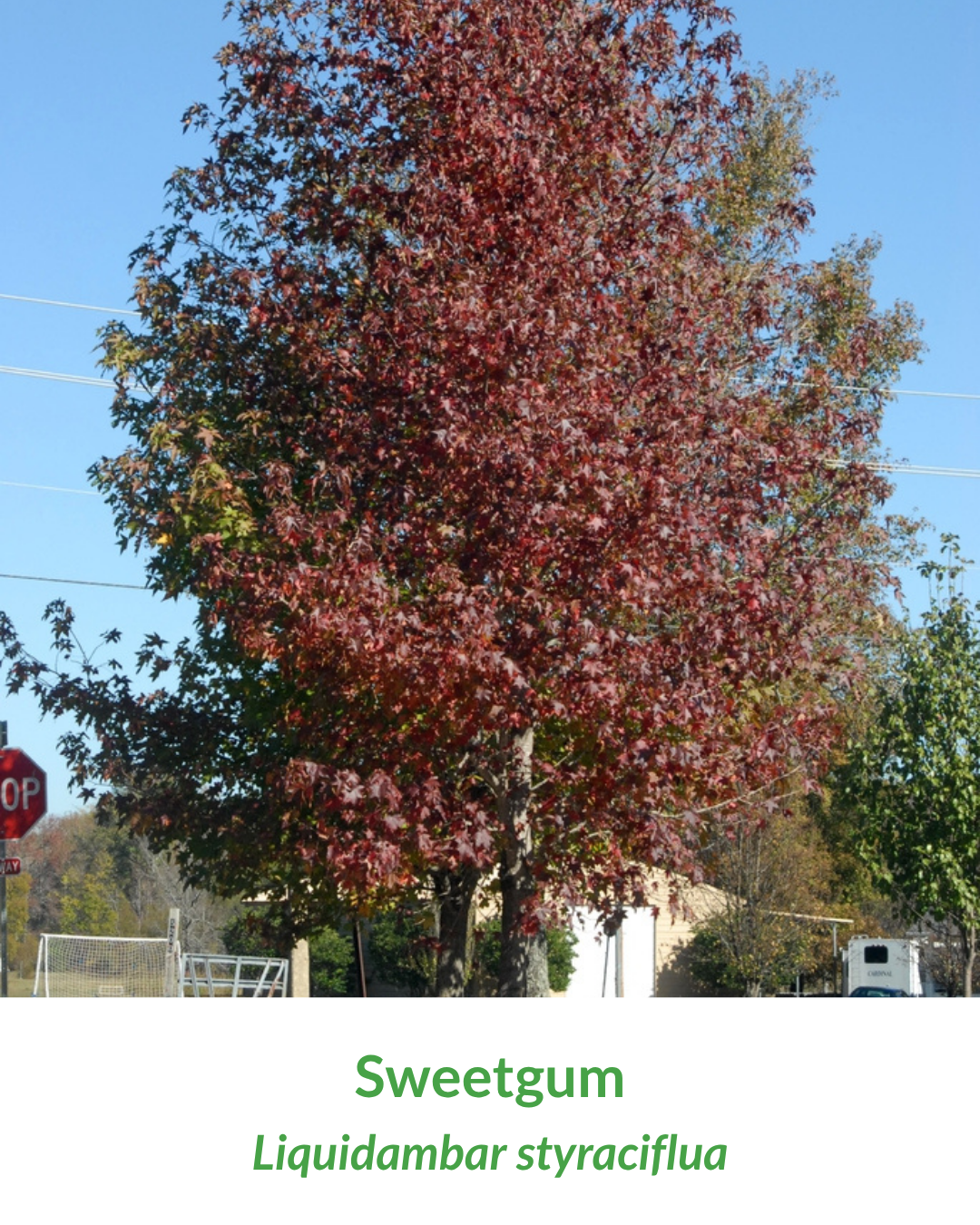
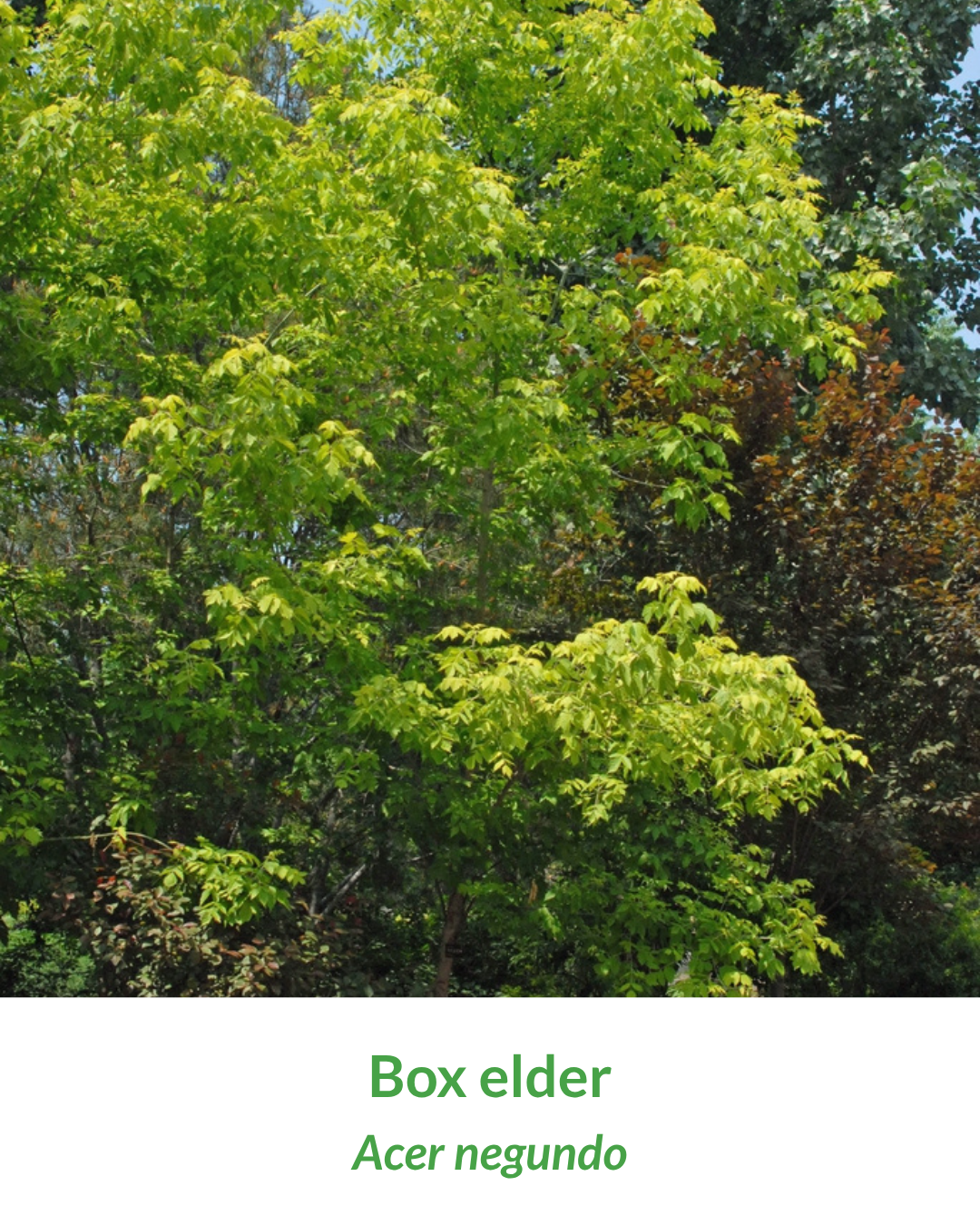
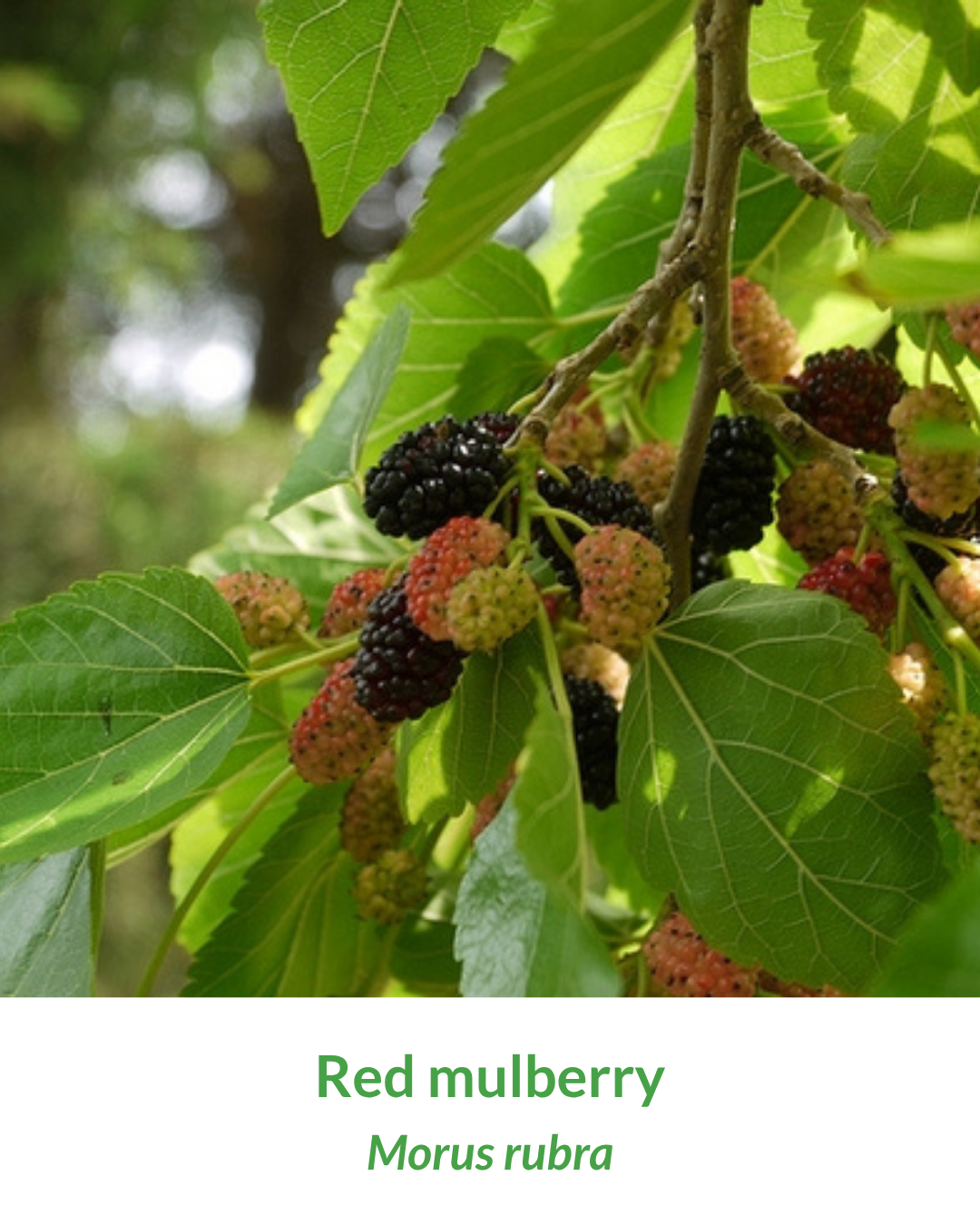
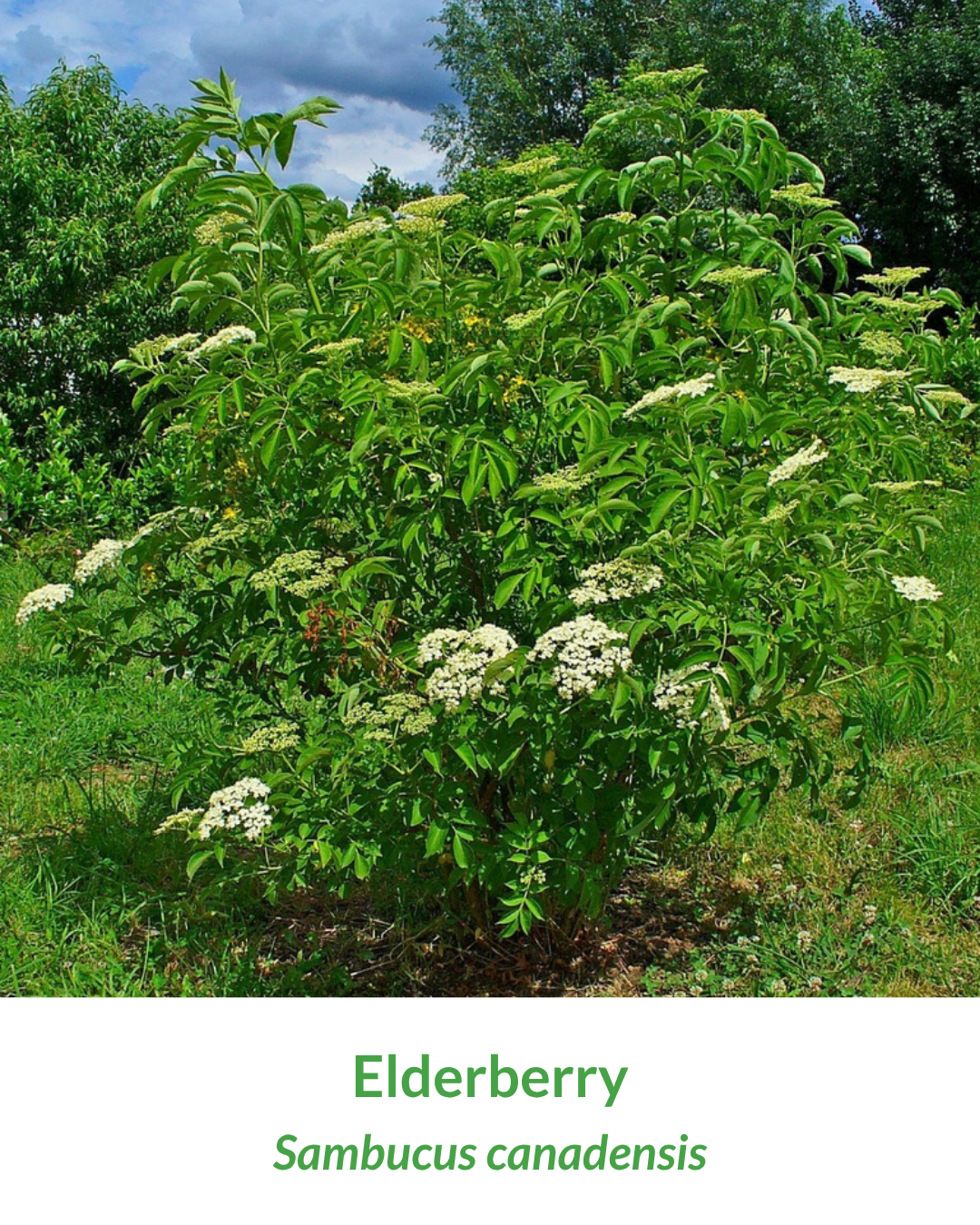
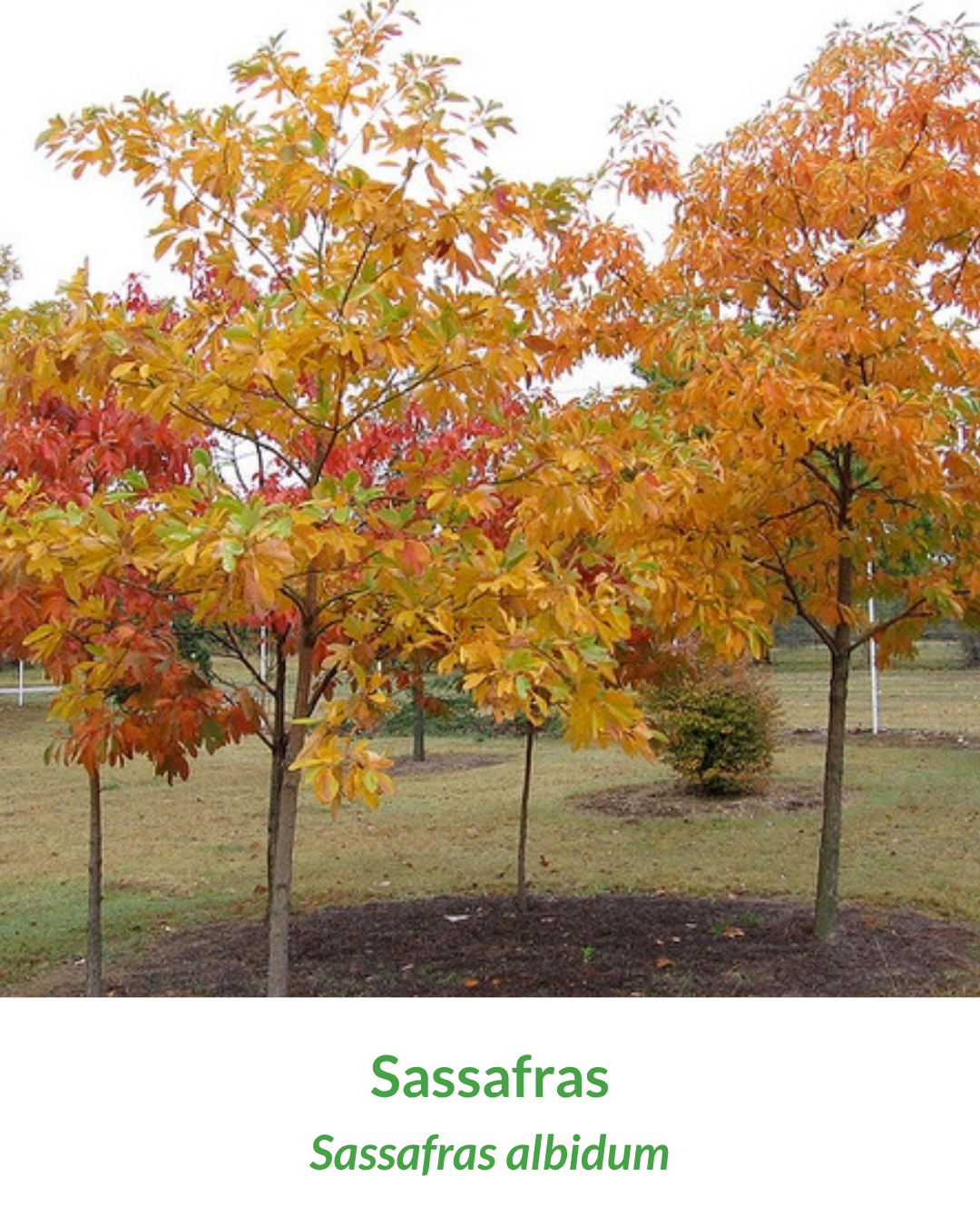
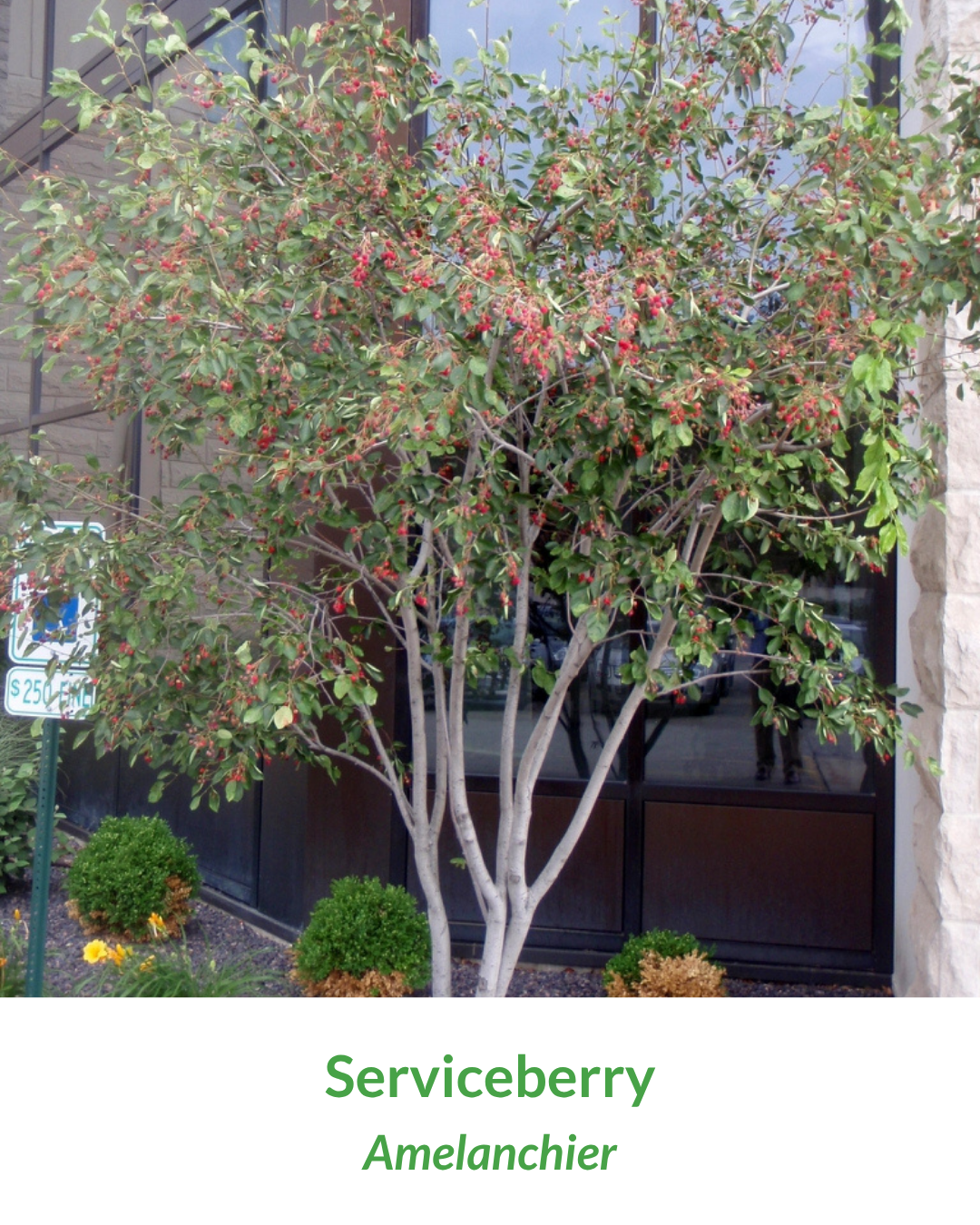
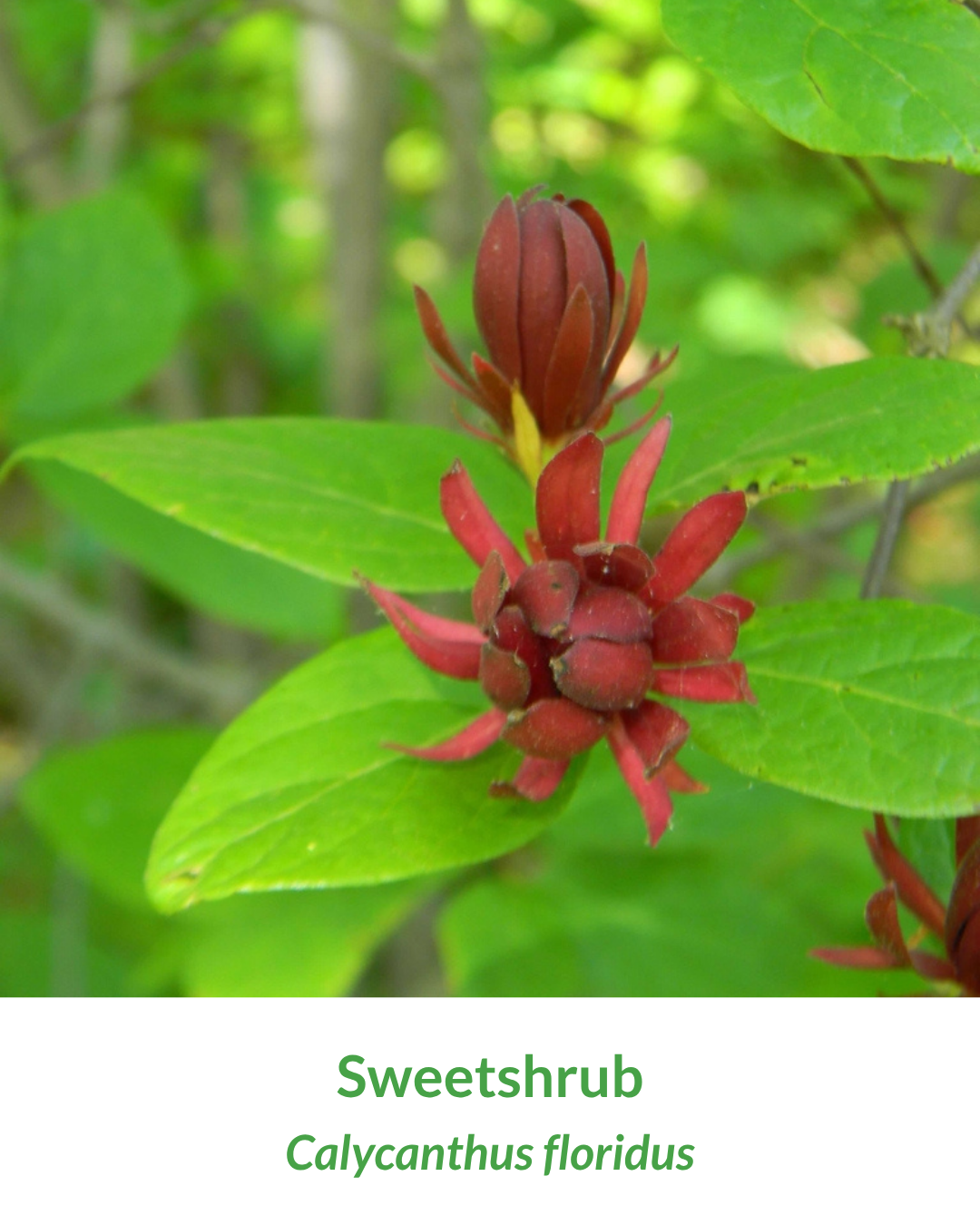
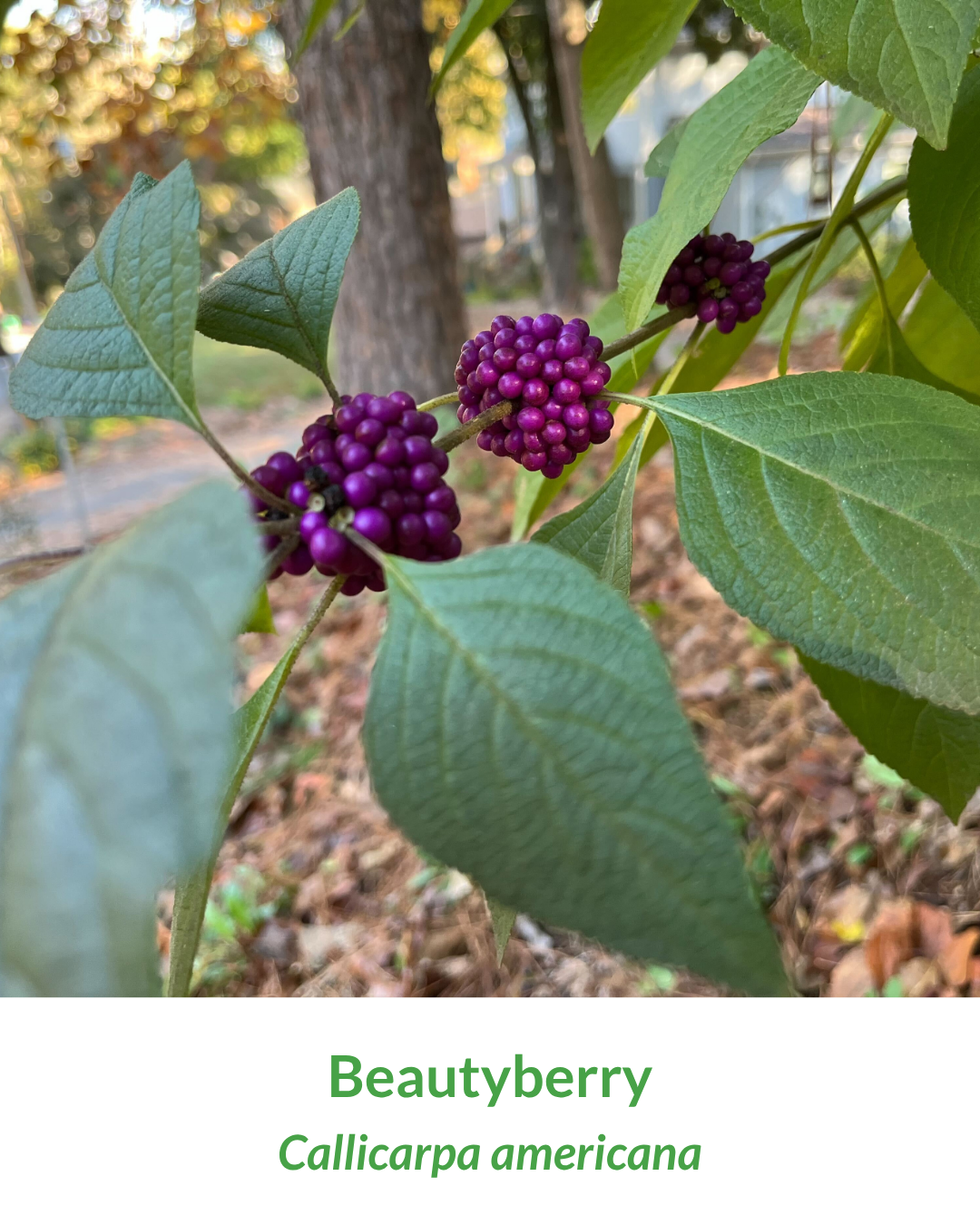
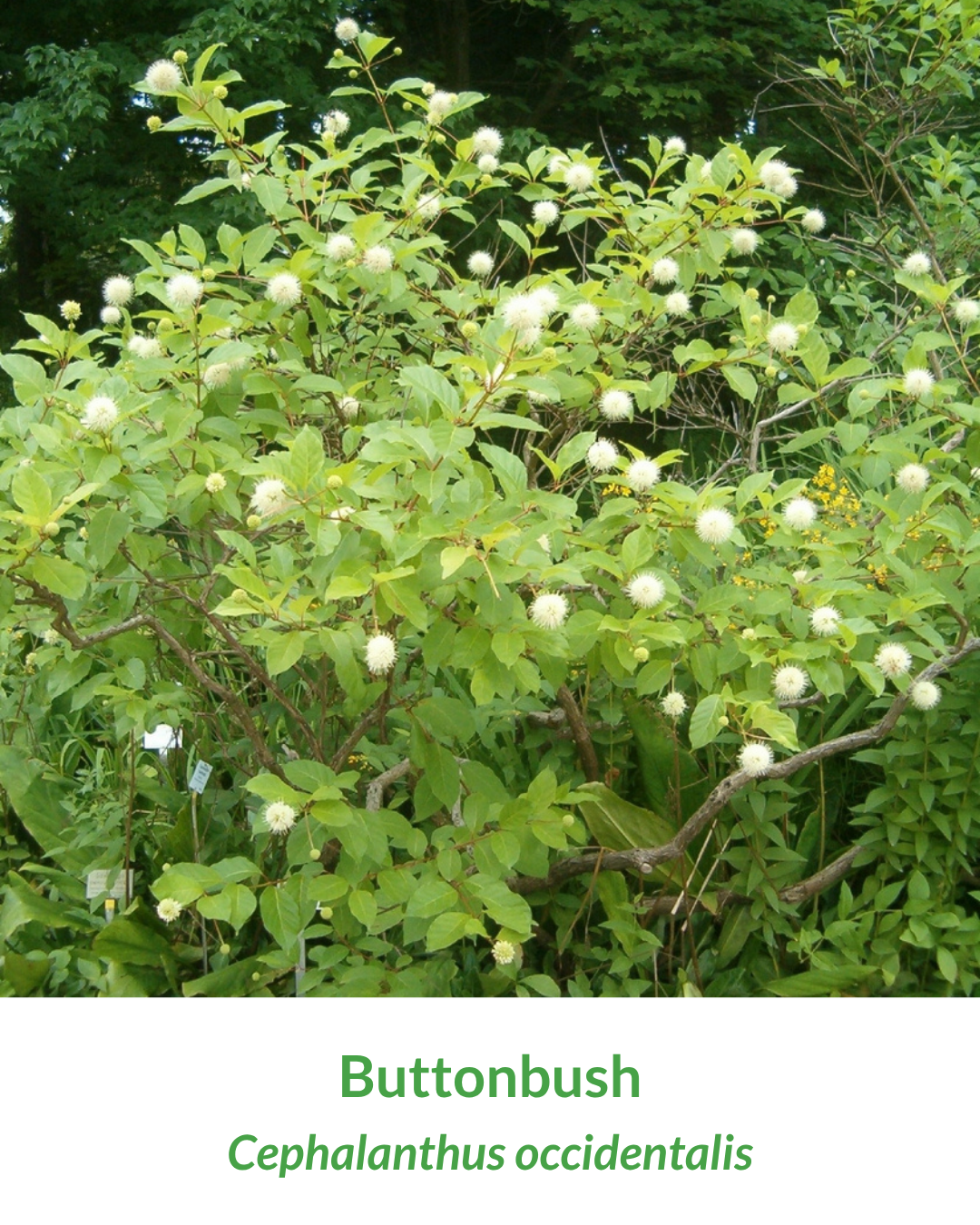
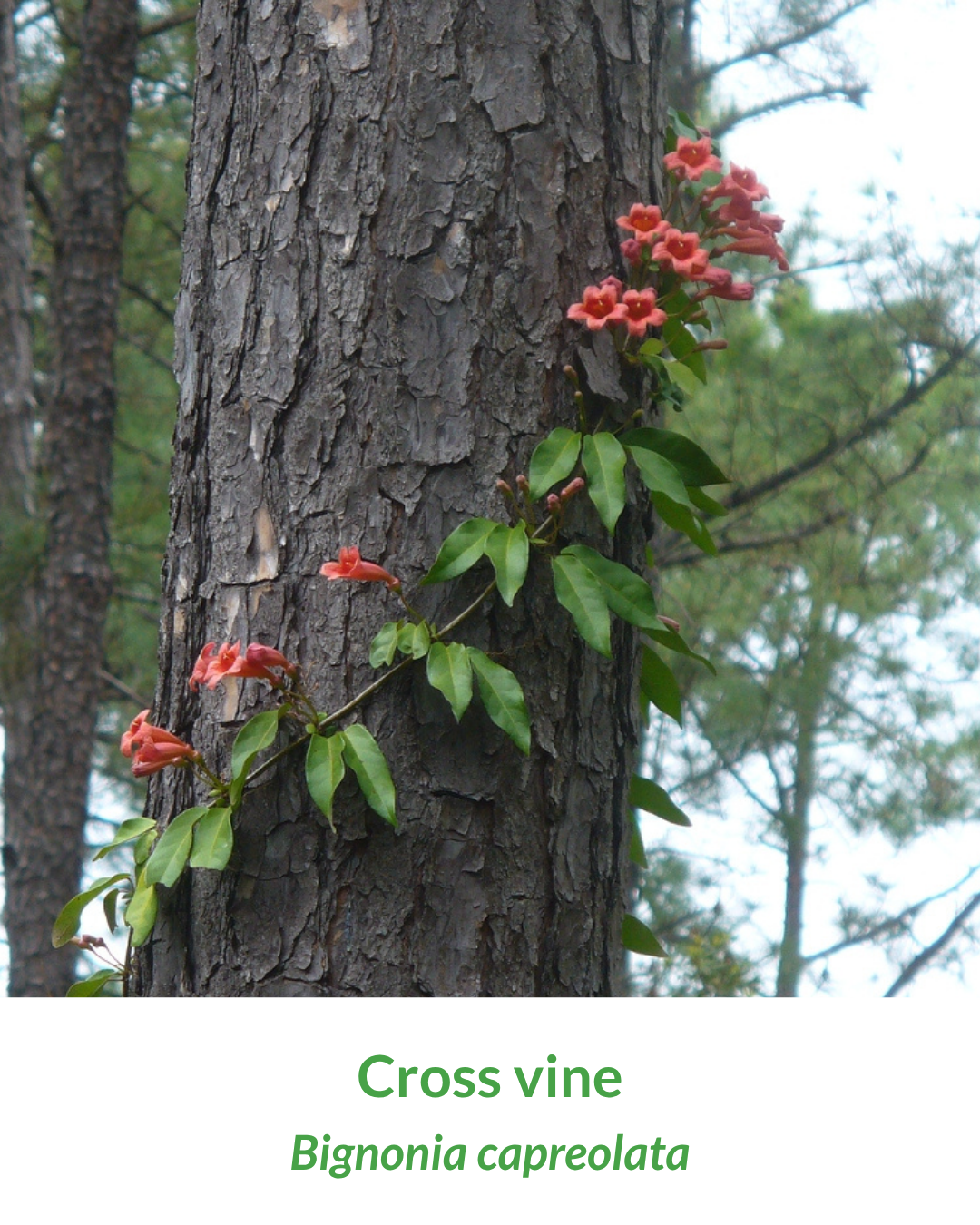
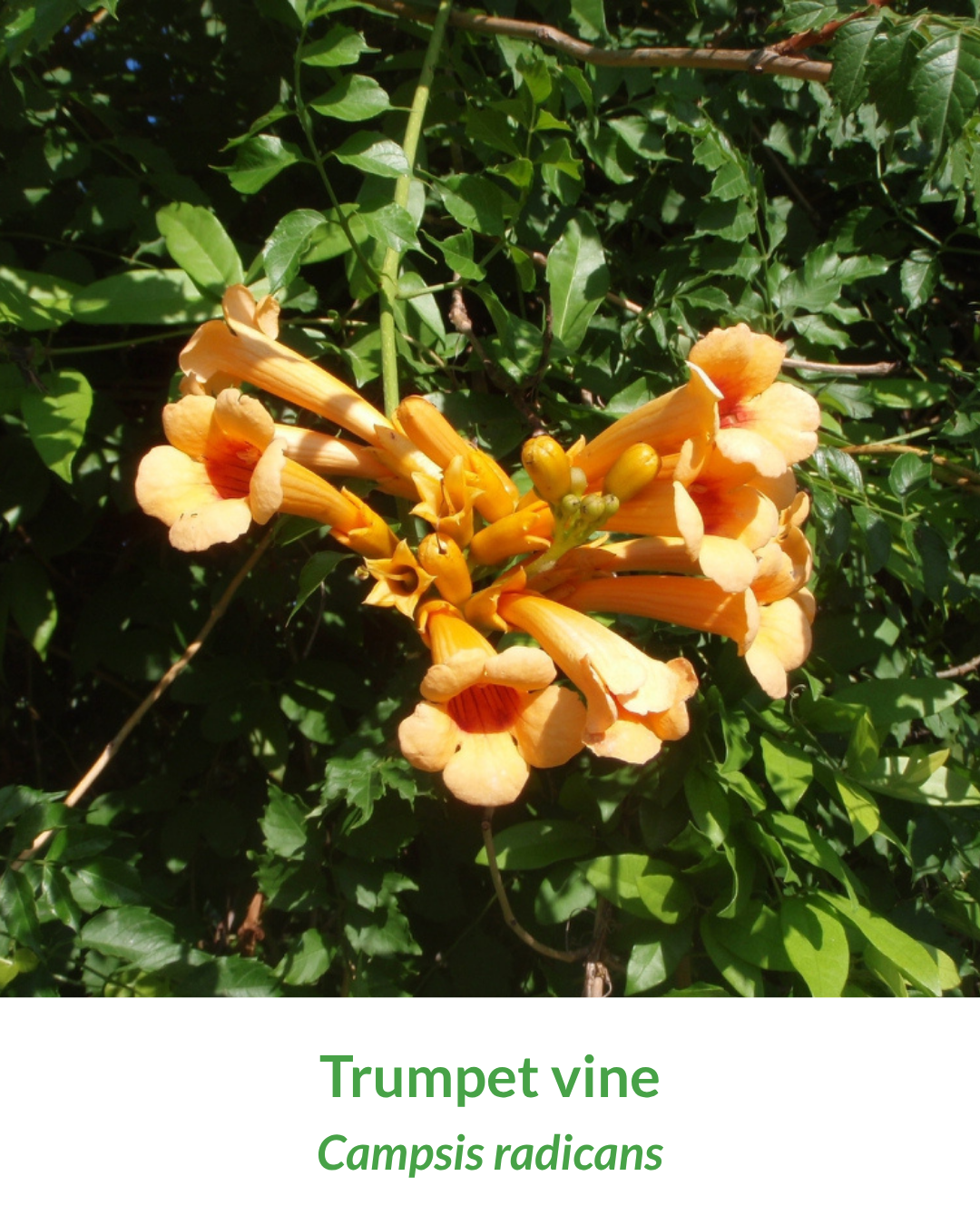
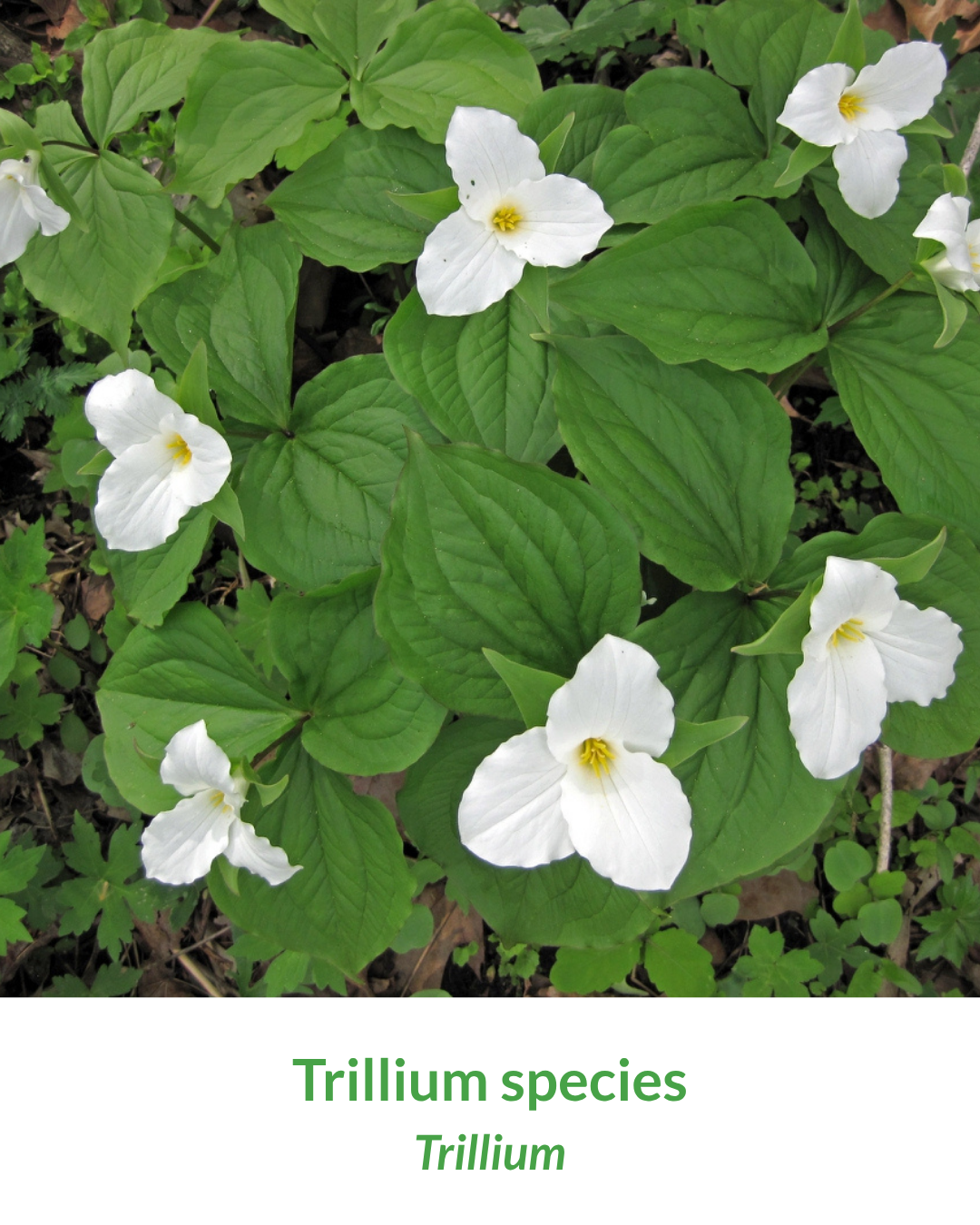
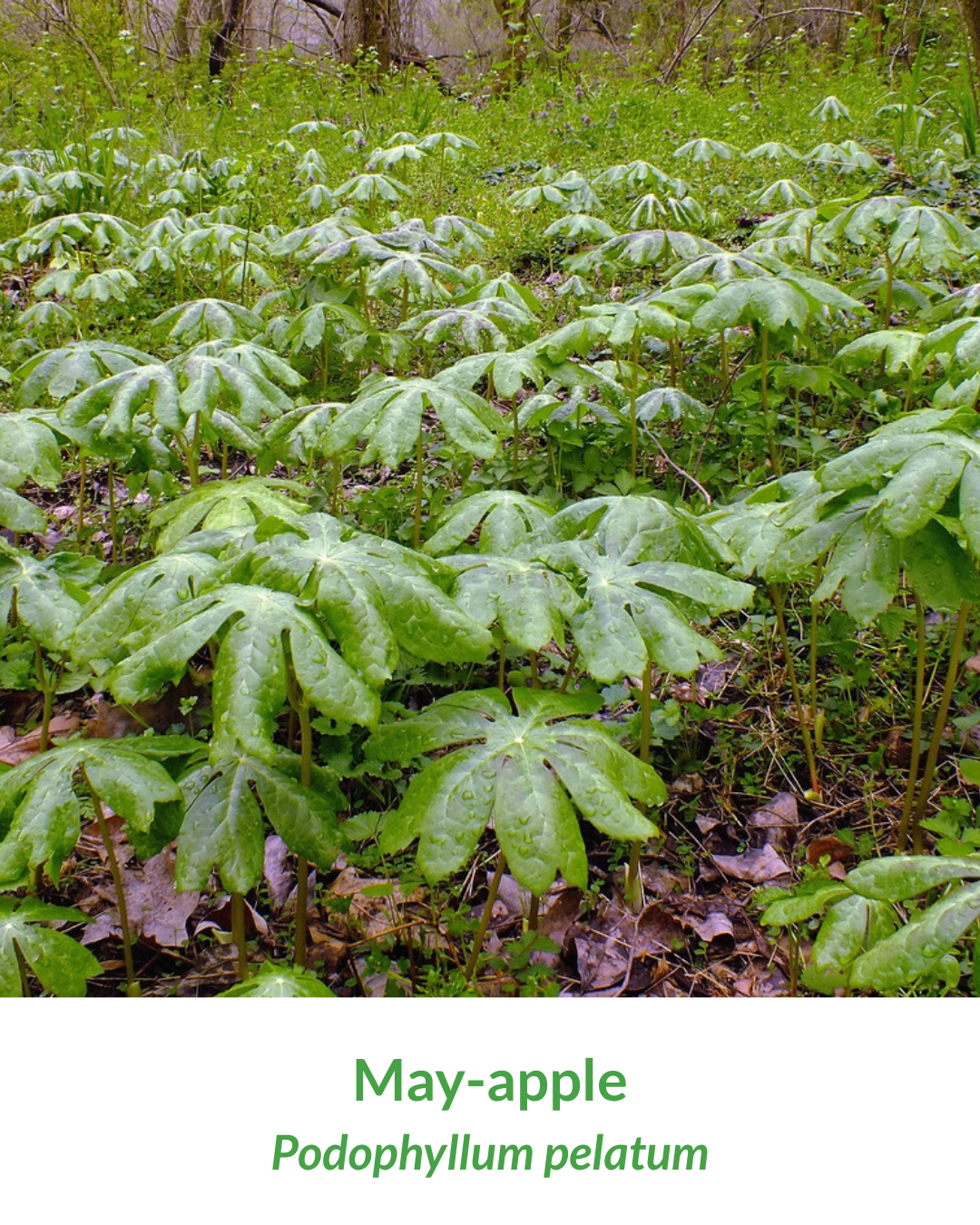
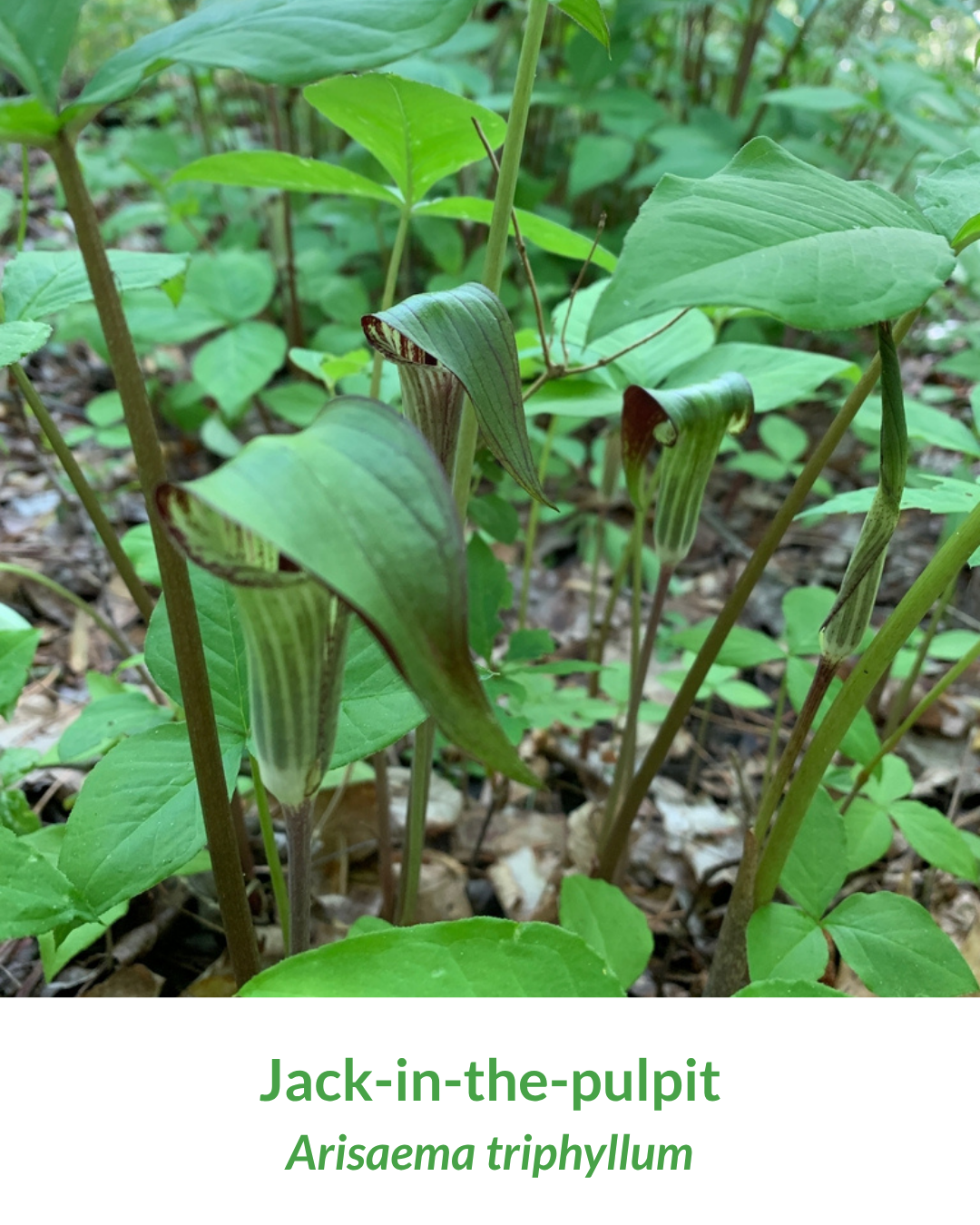
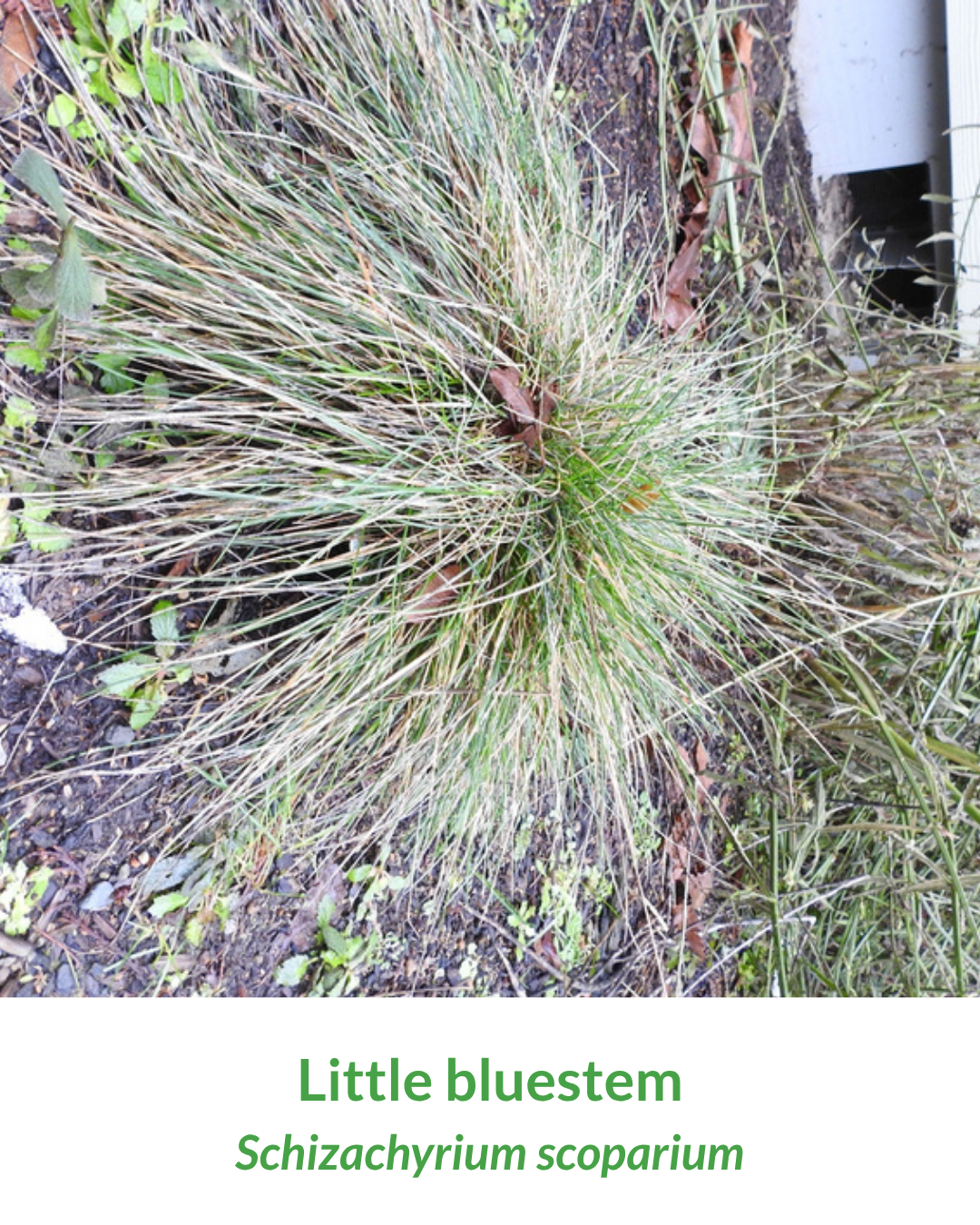
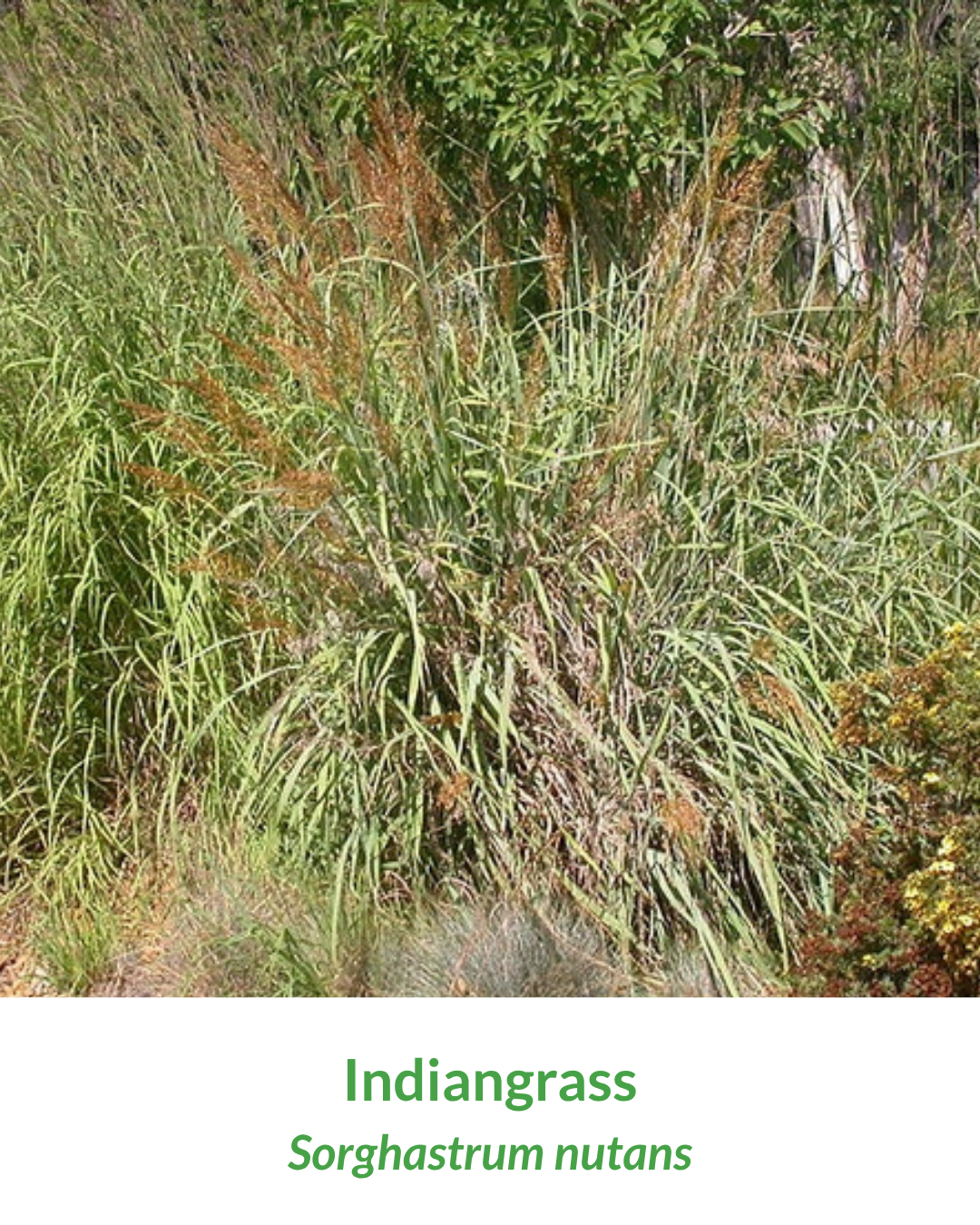
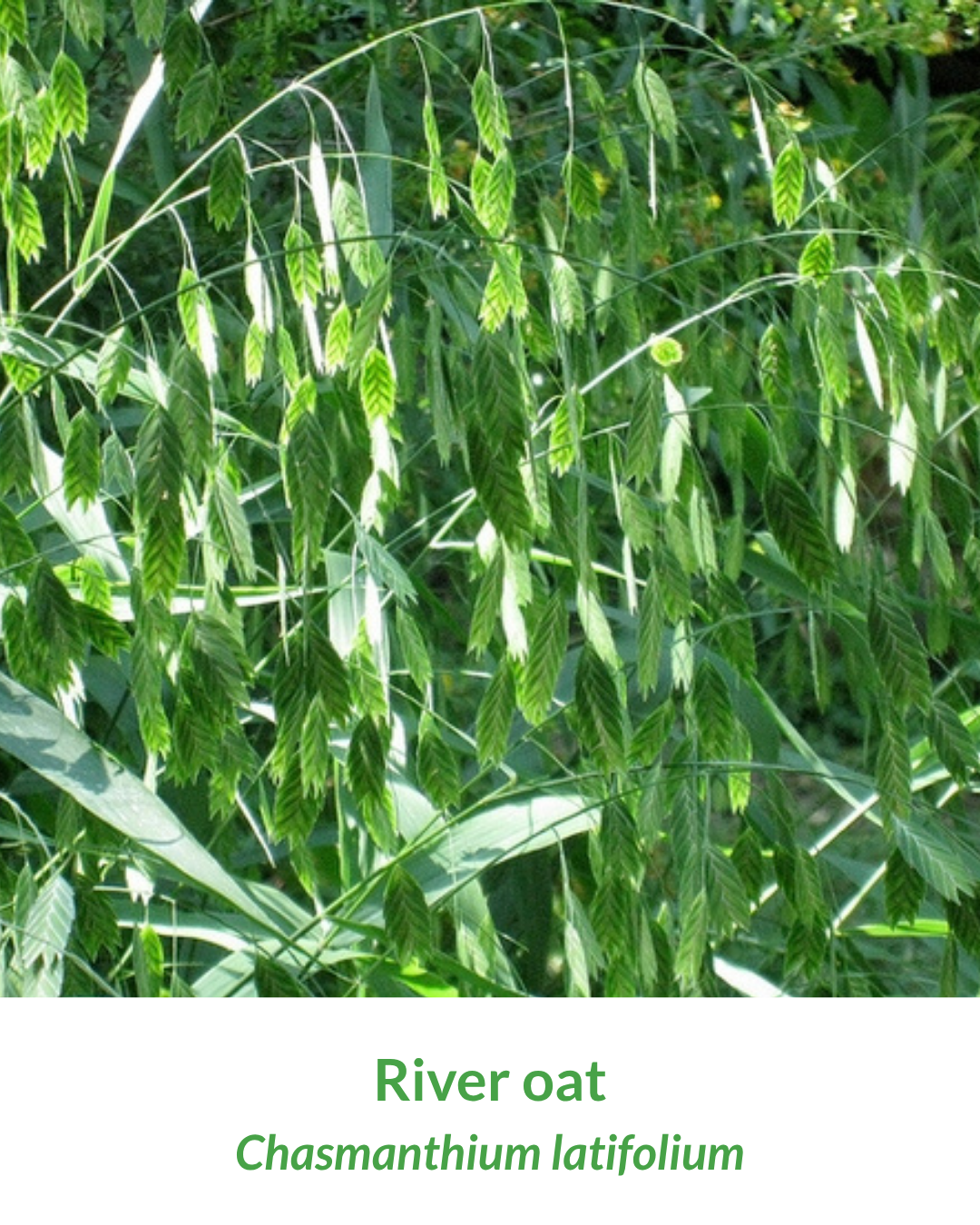
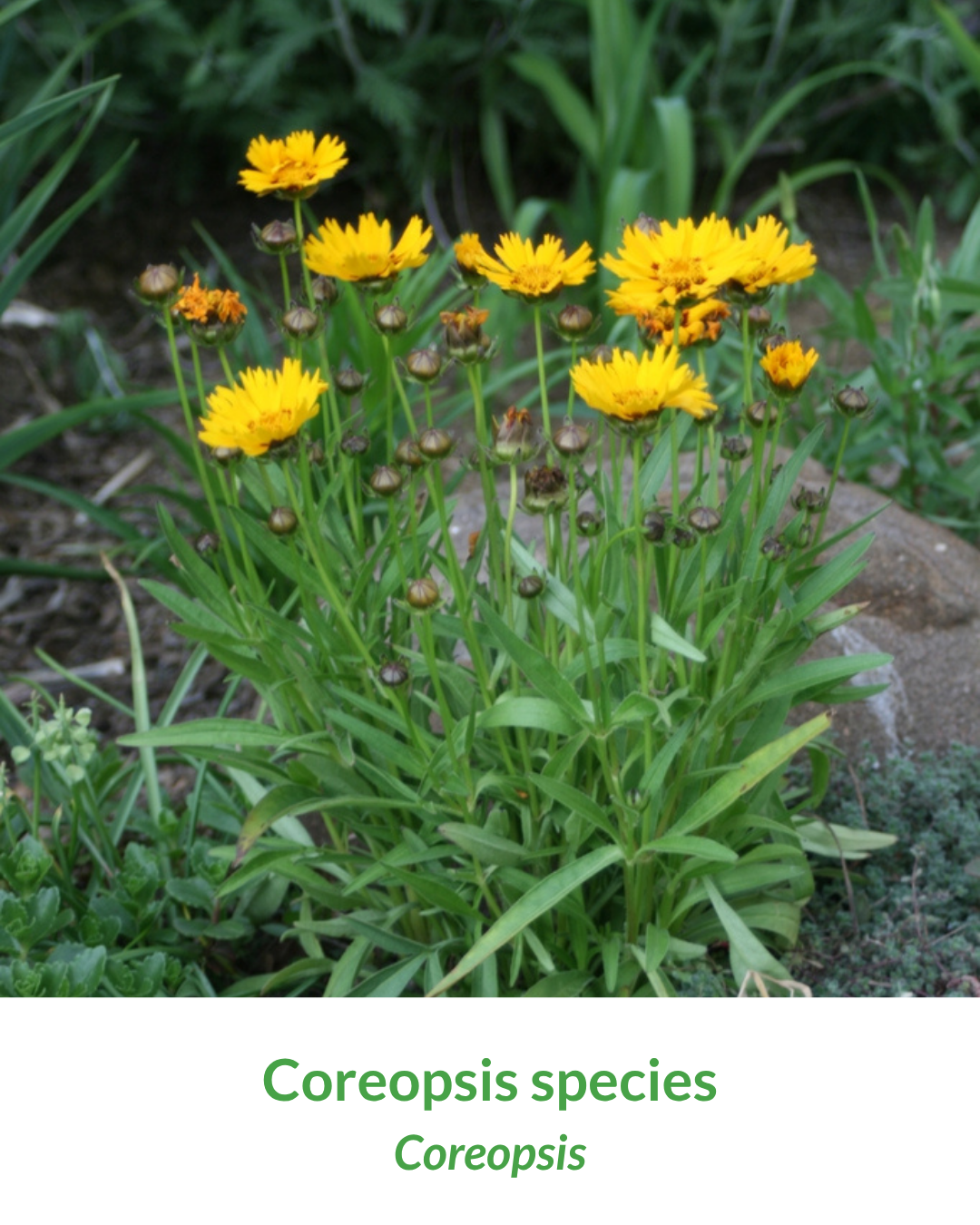
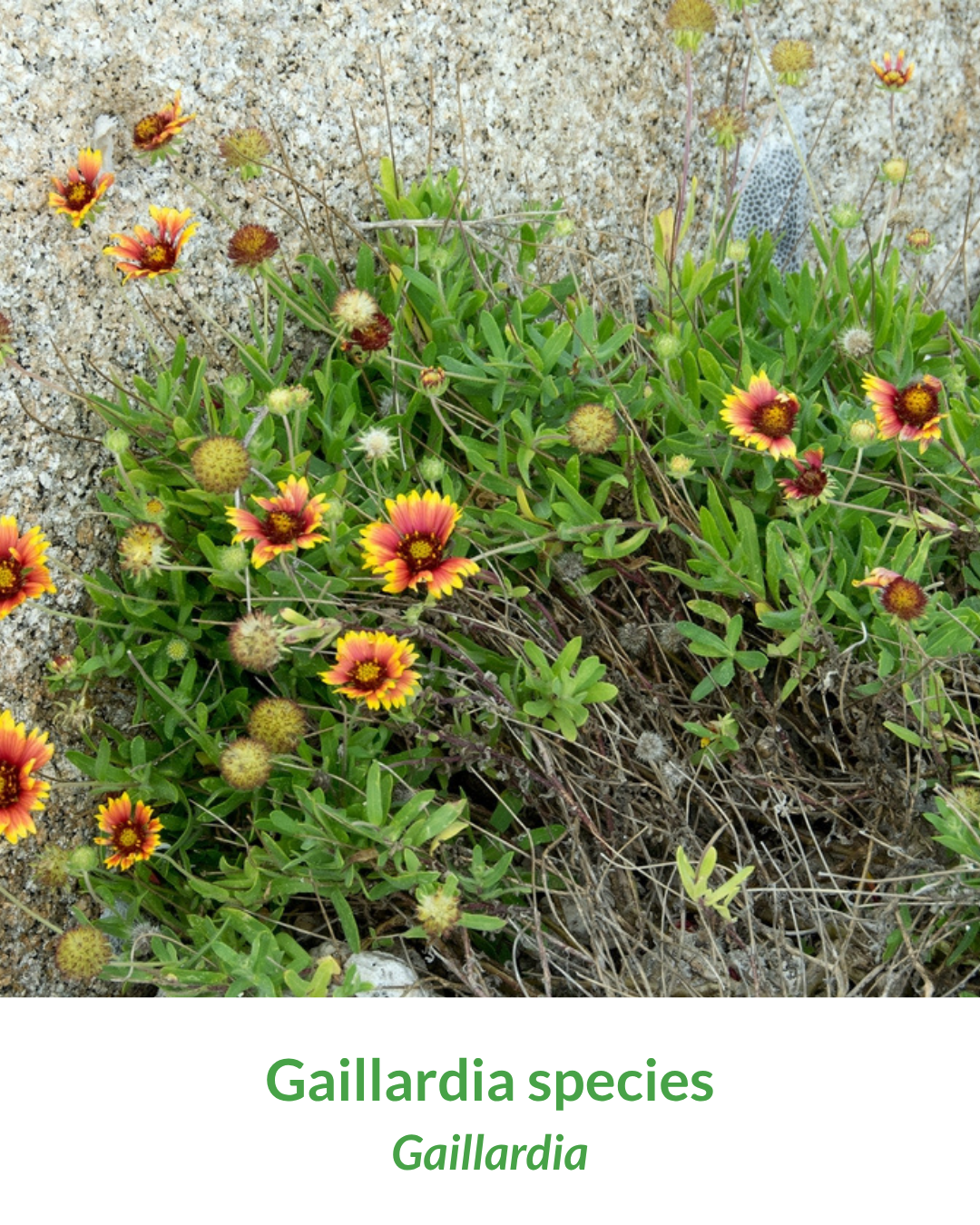
Here are some native plants to consider that are important to Atlanta.
Trees
Shrubs
Vines
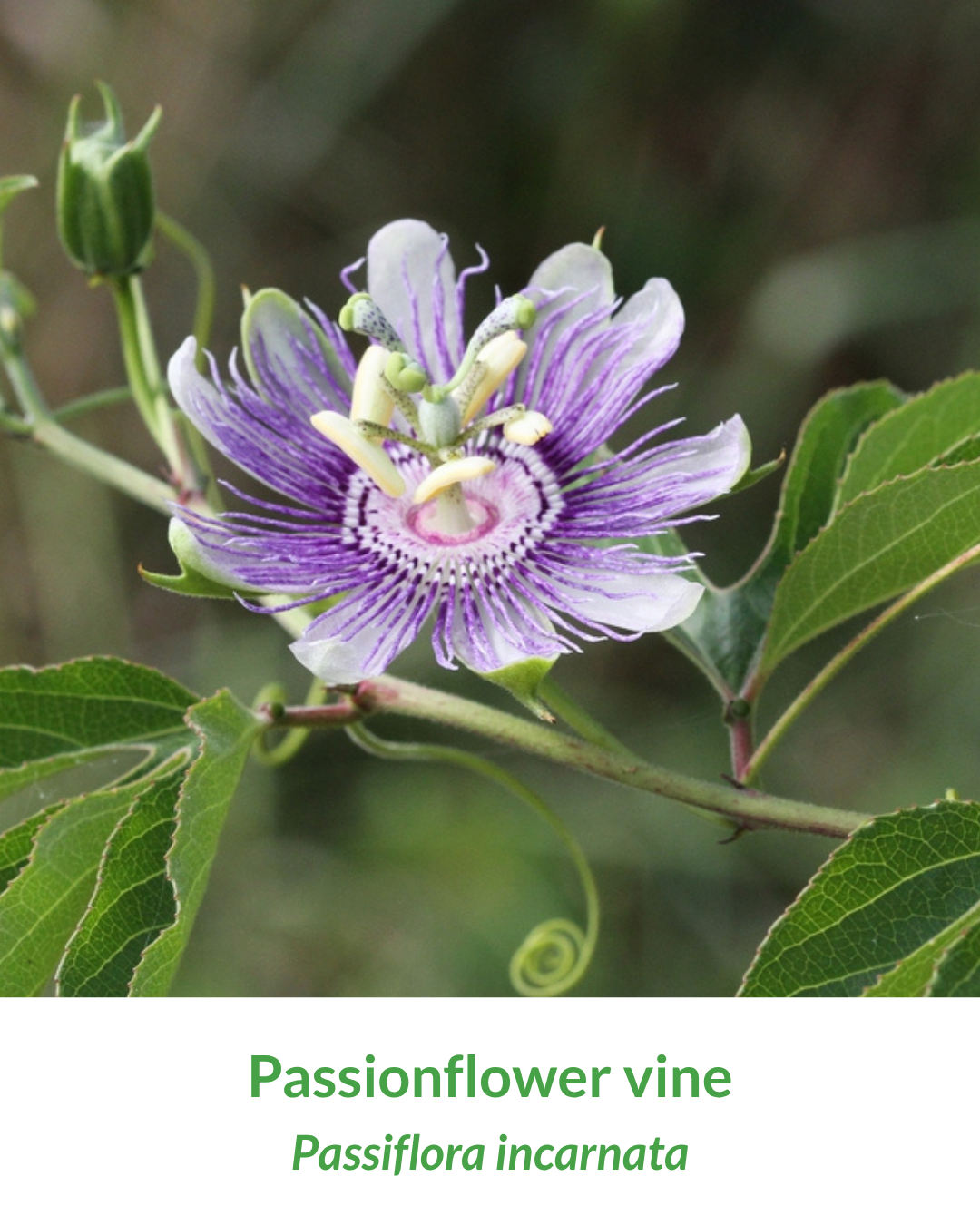
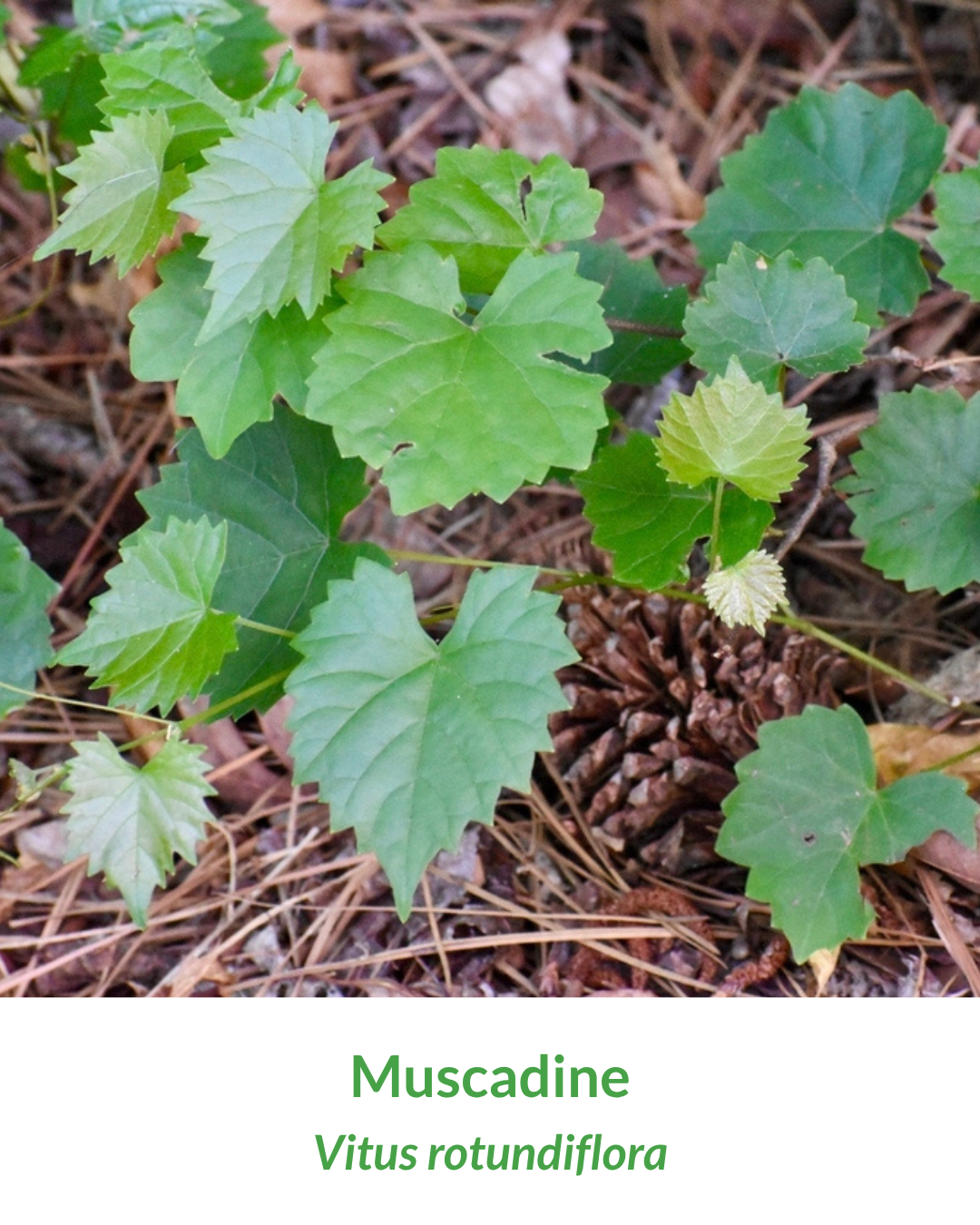
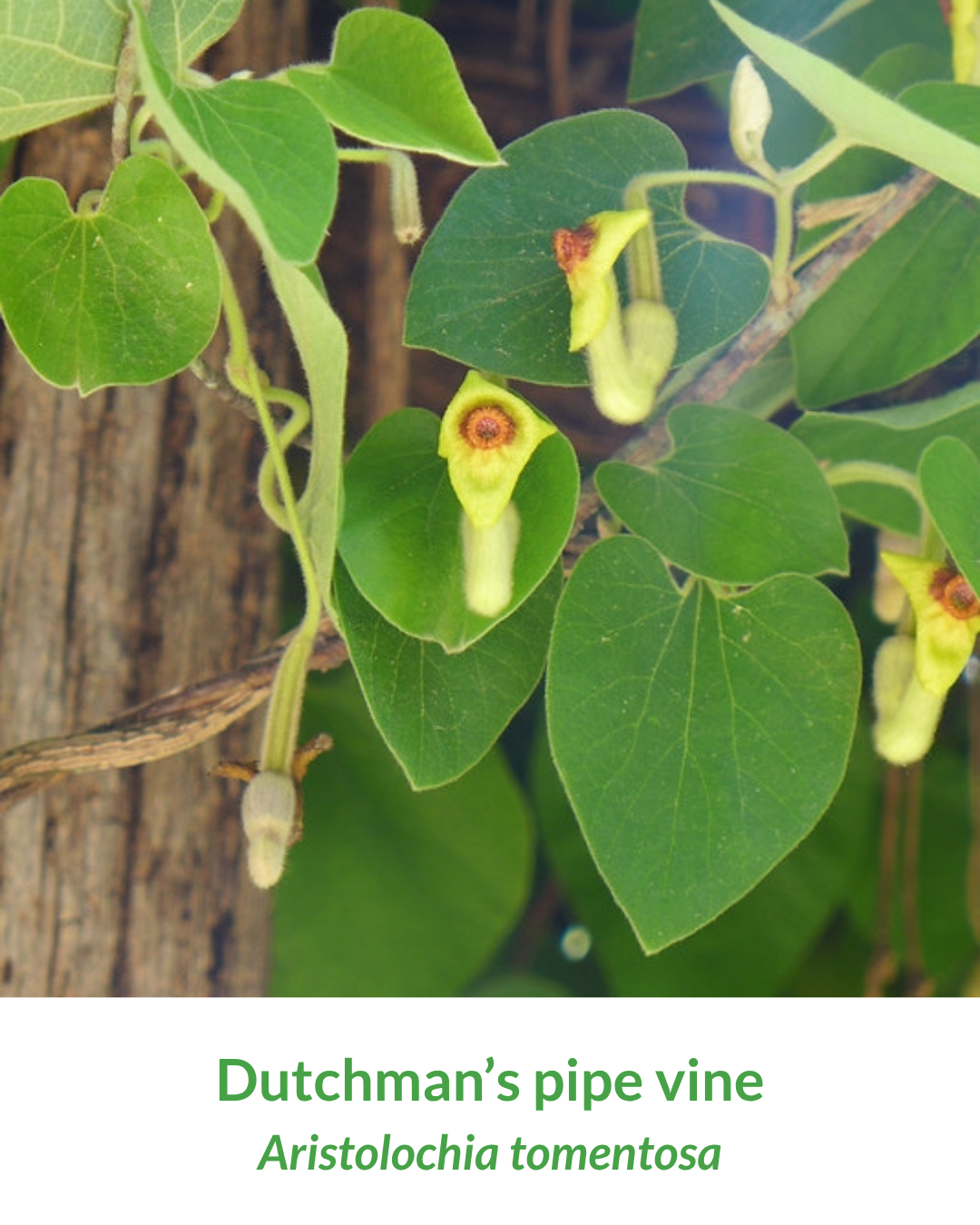
Groundlayer
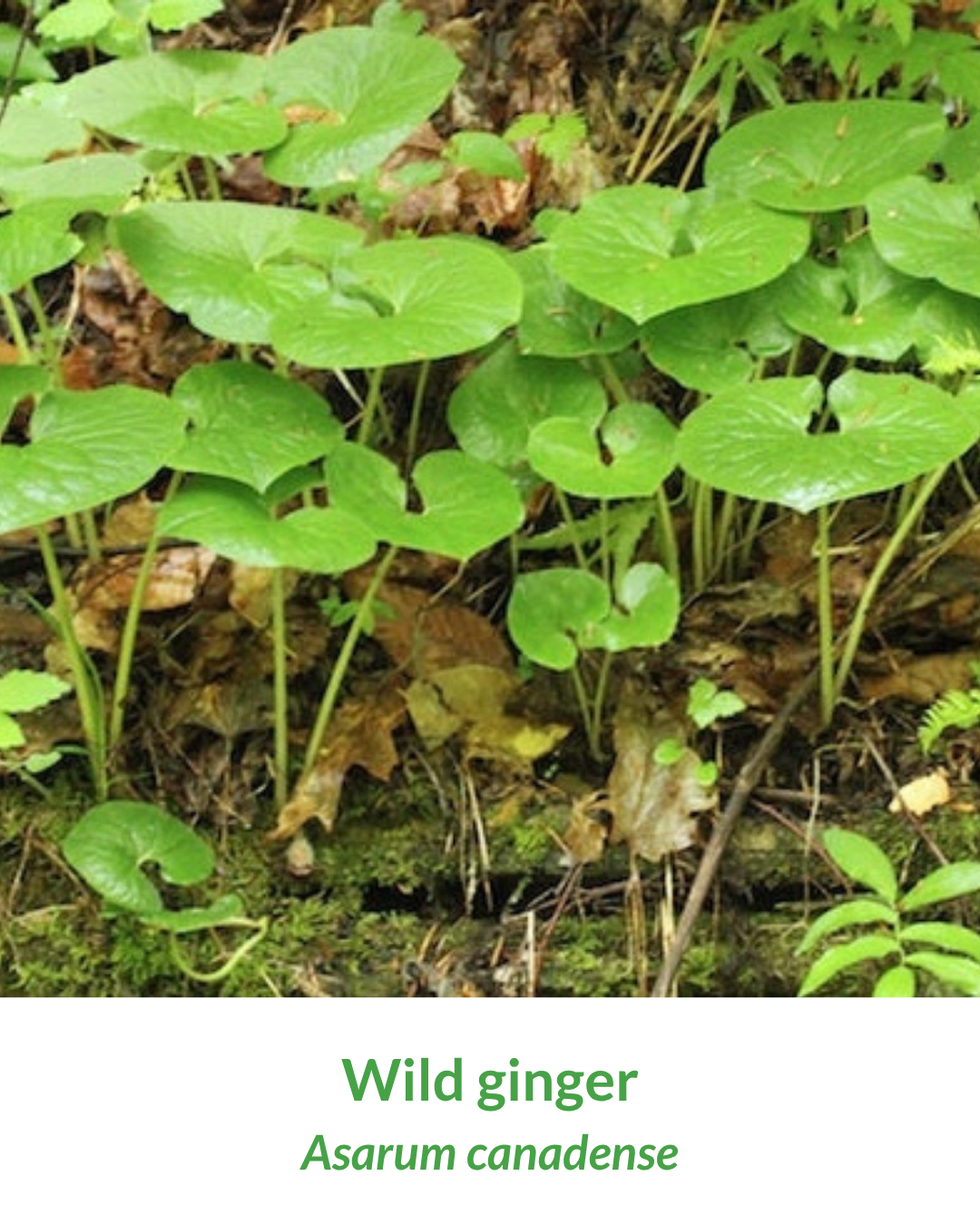
About the Author
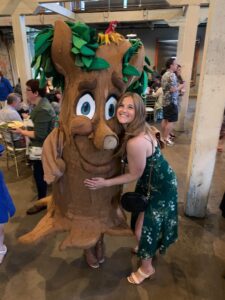
Madison Cummiskey is the Forest Restoration Senior Manager at Trees Atlanta and has been with the organization 9 years. She is from Rochester, NY and grew up playing soccer, riding horses, and working on farms, where she found her affinity for the outdoors. She went on the attend the State University of New York College of Environmental Science and Forestry (SUNY ESF) where she played soccer and graduated with a bachelors in wildlife science. When she moved to Atlanta she thought she’s be here for a year or less, but withing 9 months she found a seasonal technician position at Trees Atlanta and was able to put her college degree and passion for the environment to use. When not caring for the urban forests of Atlanta, she spends her time caring for the dogs of Atlanta, volunteering for Lifeline Animal Project, and petting any dog she can get her hands on. She also loves a good book and a long walk or bike ride around town.
Published on: October 23, 2026


