Six Native Trees To Help Atlanta Wildlife Thrive
Written by Cate Hughes, Trees Atlanta Nursery Manager
Every day in winter, two downy woodpeckers flit over from a large oak tree in my front yard to visit a suet feeder. They’re often in company with chickadees, nuthatches, Carolina wrens, eastern bluebirds, cardinals, several sorts of sparrows, titmice, vireos, mourning doves, goldfinches, eastern phoebes — and, more recently, a Boston oriole. In the spring, I imagine the goings-on in the leaf litter. The spotted salamanders are keeping warm and moist, the little roly polys are doing their roly poly thing, and the lightning bugs are readying to emerge and light up the summer evenings, when they’ll be accompanied by a cacophony of chorusing Cope’s grey tree frogs, their song complex and echoing. Year-round, grey squirrels tumble and skitter through the canopy, miraculous and hilarious in their acrobatic antics. I can hear the loud munching of dozens of orangestriped oakworms feasting on the leaves of a white oak (Quercus alba) in early fall. Their banquet is mesmerizing and ultimately harmless. My tree’s tender leaves unfurl beautifully again each spring.
Our wildlife needs a healthy and robust ecosystem of native plants to thrive. If you’re a plant person, my guess is you’re also the sort of person who delights in the wonder of all living things, entranced in equal measure by a curious eastern phoebe, a sleepy spotted salamander, and a striking gulf fritillary caterpillar. Not yet? Choose trees that support our wildlife, and you’ll quickly find yourself enthralled. The delight of witnessing a community of critters (of which you are a part), or stewarding and selecting trees and plants that provide crucial food and shelter — this delight just grows and grows.
 What makes a tree good for wildlife?
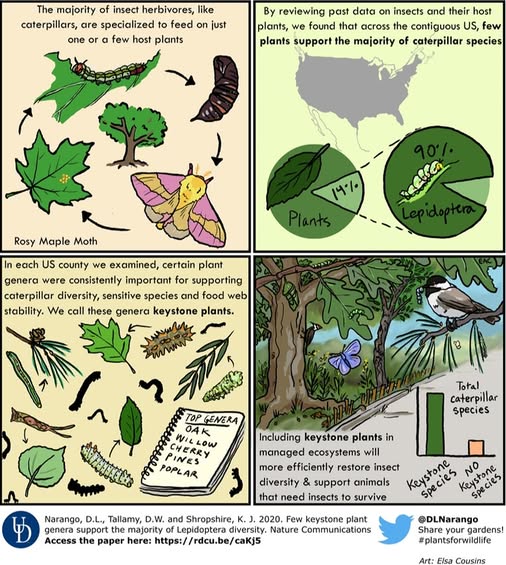
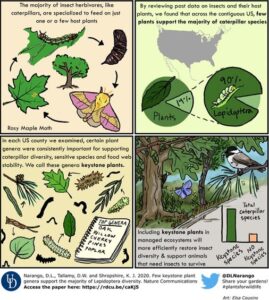
The best trees for wildlife provide both food (in the form of nuts, berries, or nectar) and shelter (nesting, breeding, and protection). Another metric to consider is the importance of a particular species to the local food web. Keystone plants deliver a real “bang for their buck,” feeding the young caterpillars of approximately 90% of butterflies and moths. Ninety-five percent of our terrestrial birds rely on insects supported by keystone plants to rear their young, and a clutch of baby birds can eat some 9,000 caterpillars before leaving the nest… you do the math.
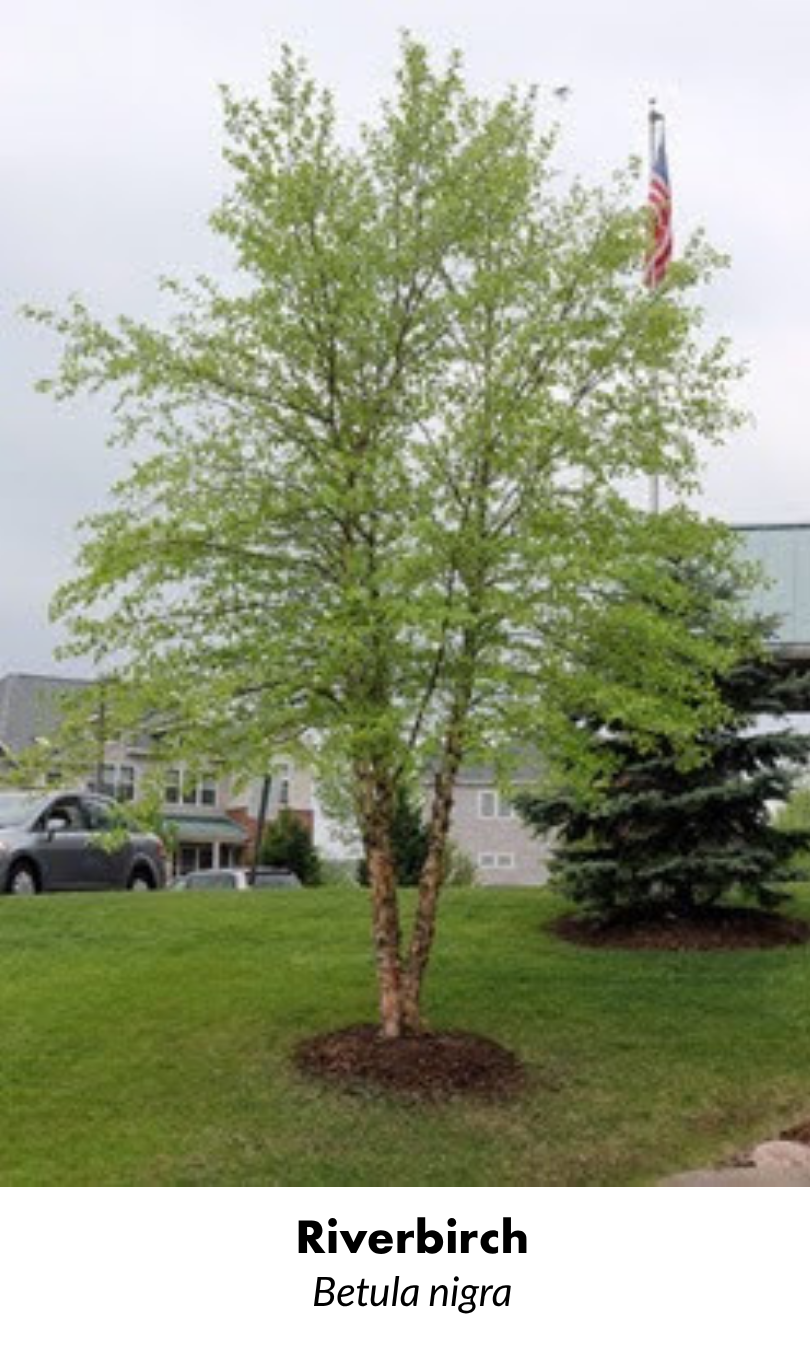
Conveniently, these keystone species tend to be especially beneficial for the feathered, furry, scaled, and slick wildlife among us, too. Forest-dwelling bats will find a home in the spaces between the shaggy plates of a white oak’s bark. Squirrels, chipmunks, and opossums will gobble up the little ripe fruits of a black cherry tree (Prunus serotina). The peeling bark of riverbirch (Betula nigra) shelters invertebrates, and birds enjoy the tree’s seeds (and, of course, the invertebrates).
If you’re choosing native trees appropriate for your planting site, you’re gardening for wildlife! By selecting keystone species and trees with particularly high wildlife value, you’ll soon enjoy a yard teeming with activity, full of wonder and curiosity.
Six Trees to Help Wildlife Thrive in Atlanta
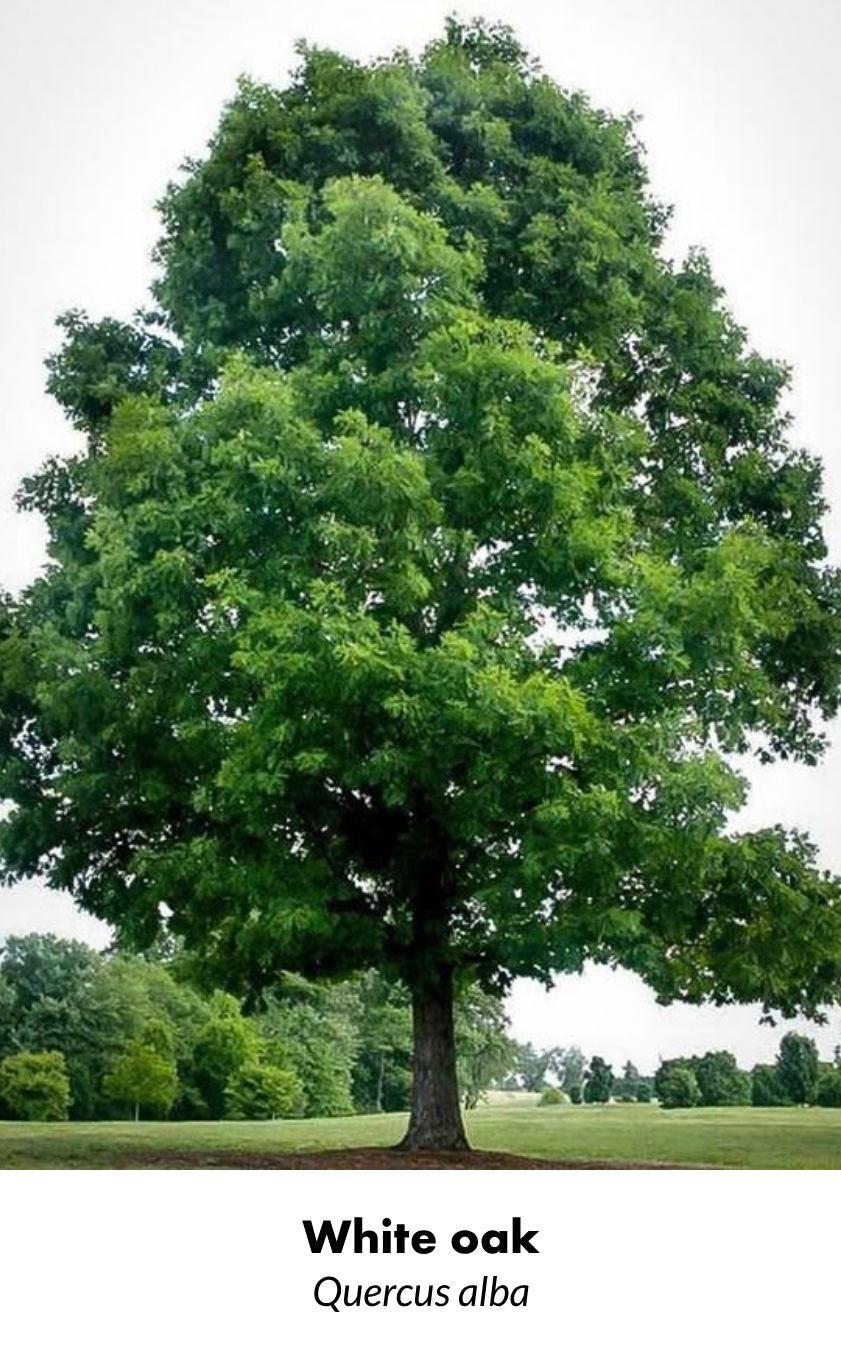
White oak (Quercus alba)
Oaks support more biodiversity than any other native tree genus. Mammals and large birds feast on the acorns; deer and rabbits browse the twigs, leaves, and shoots; insects munch the leaves; and spiders and birds enjoy the rich buffet of caterpillars and insects. White oaks tend to drop their leaves later, offering extended cover for animals, before falling to make a nice leaf litter layer for the many small mammals, reptiles, and amphibians that shelter through the winter.
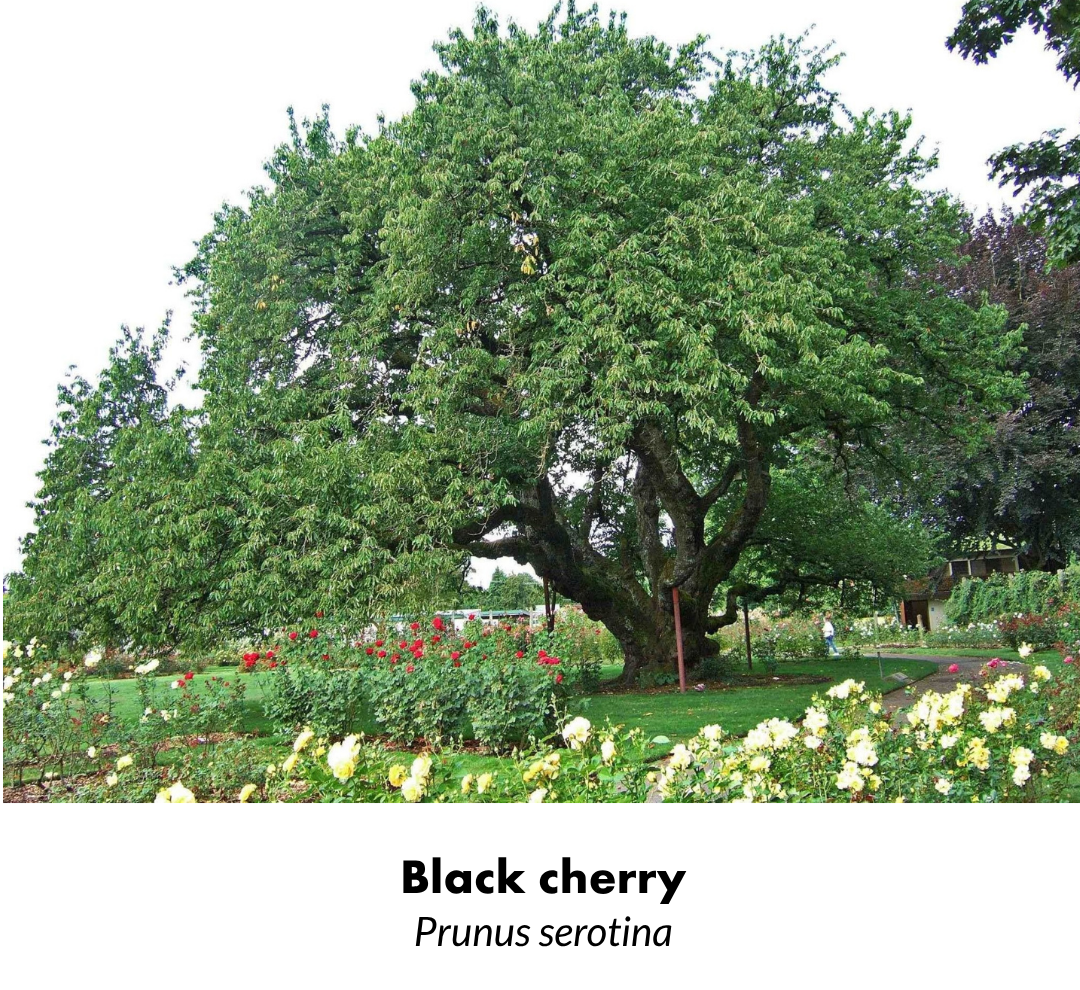
Black cherry (Prunus serotina)
Another important keystone species, trees in the Prunus genus support more than 400 species of caterpillars. Spring flowers provide pollen and nectar for native pollinators, and the sweet fruit feeds birds and mammals.
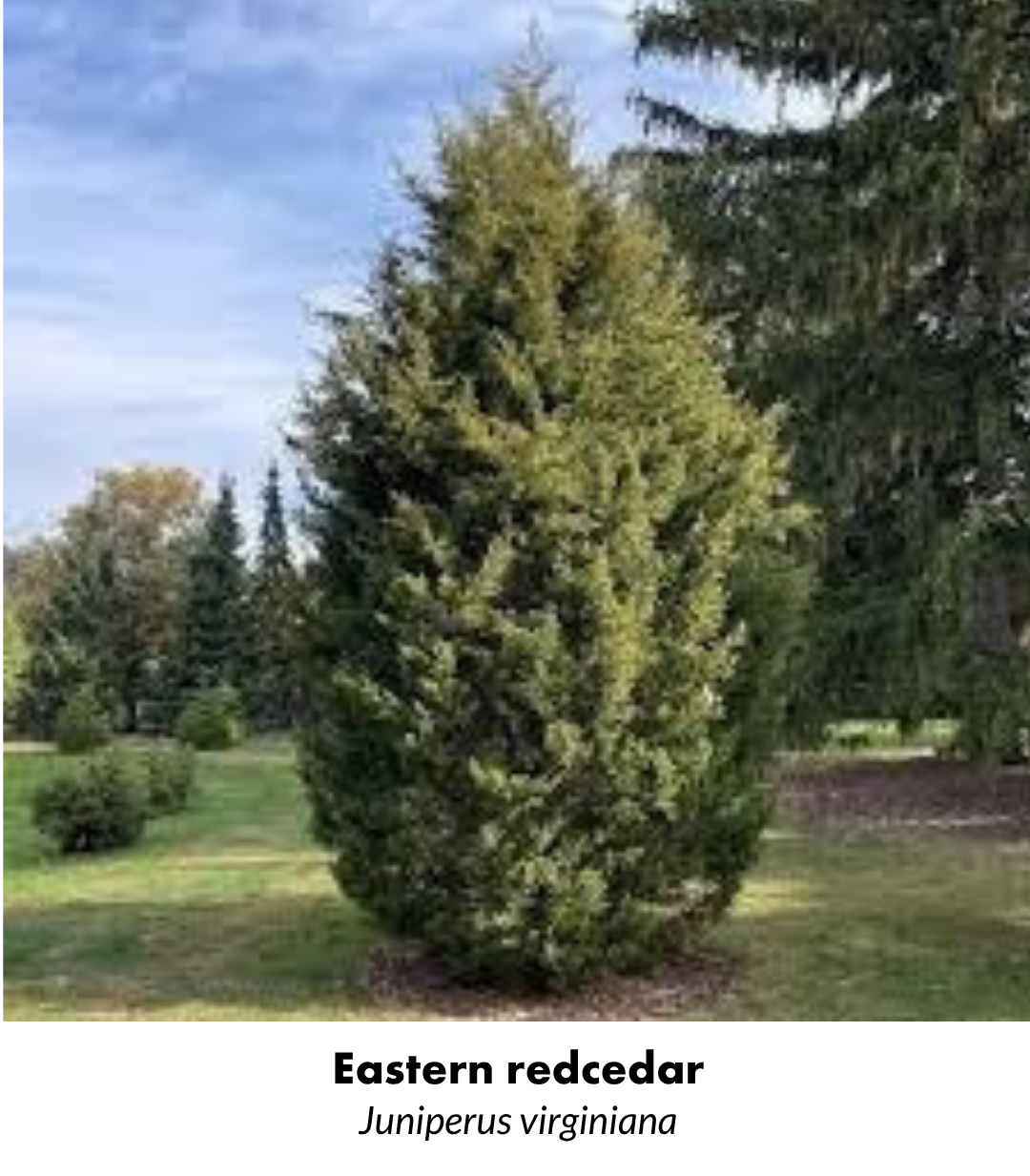
Eastern redcedar (Juniperus virginiana)
The dense, evergreen foliage offers stellar year-round shelter for birds and small mammals. The berry-like cones are an important food source for birds, including the aptly-named cedar waxwing.
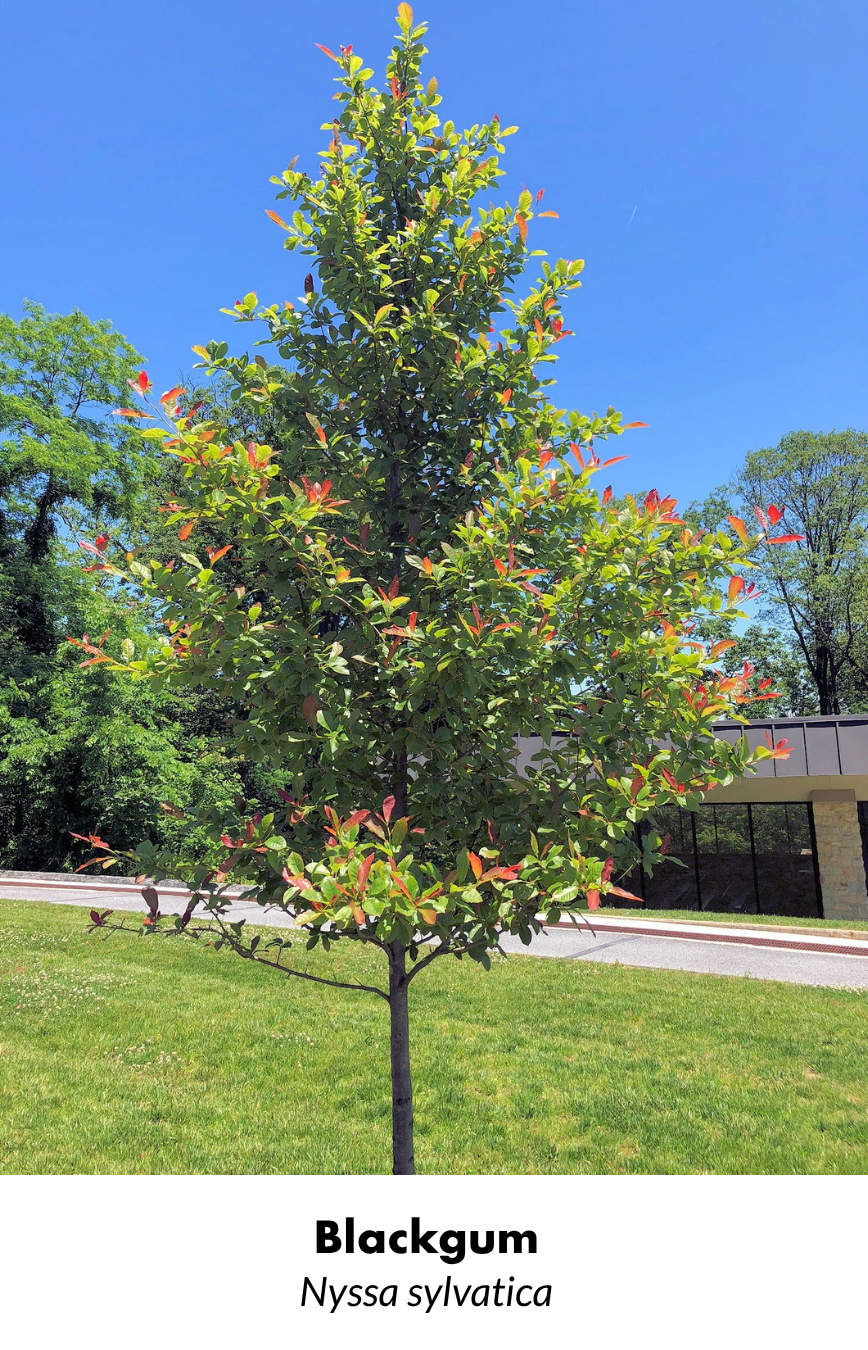
Blackgum (Nyssa sylvatica)
Blackgum is an important nectar and pollen source for native bees. Fruits are highly nutritious and beloved by birds and small mammals alike. Cavities and hollows in older blackgum trees make excellent homes for owls, bats, frogs, and other reptiles.
Riverbirch (Betula nigra)
Another keystone species! Riverbirch’s distinctive peeling bark offers shelter for small insects and other invertebrates. In bottomland hardwood forests, riverbirch are important nesting sites for waterfowl. You might even spot a ruby-throated hummingbird sipping the tree’s sap!
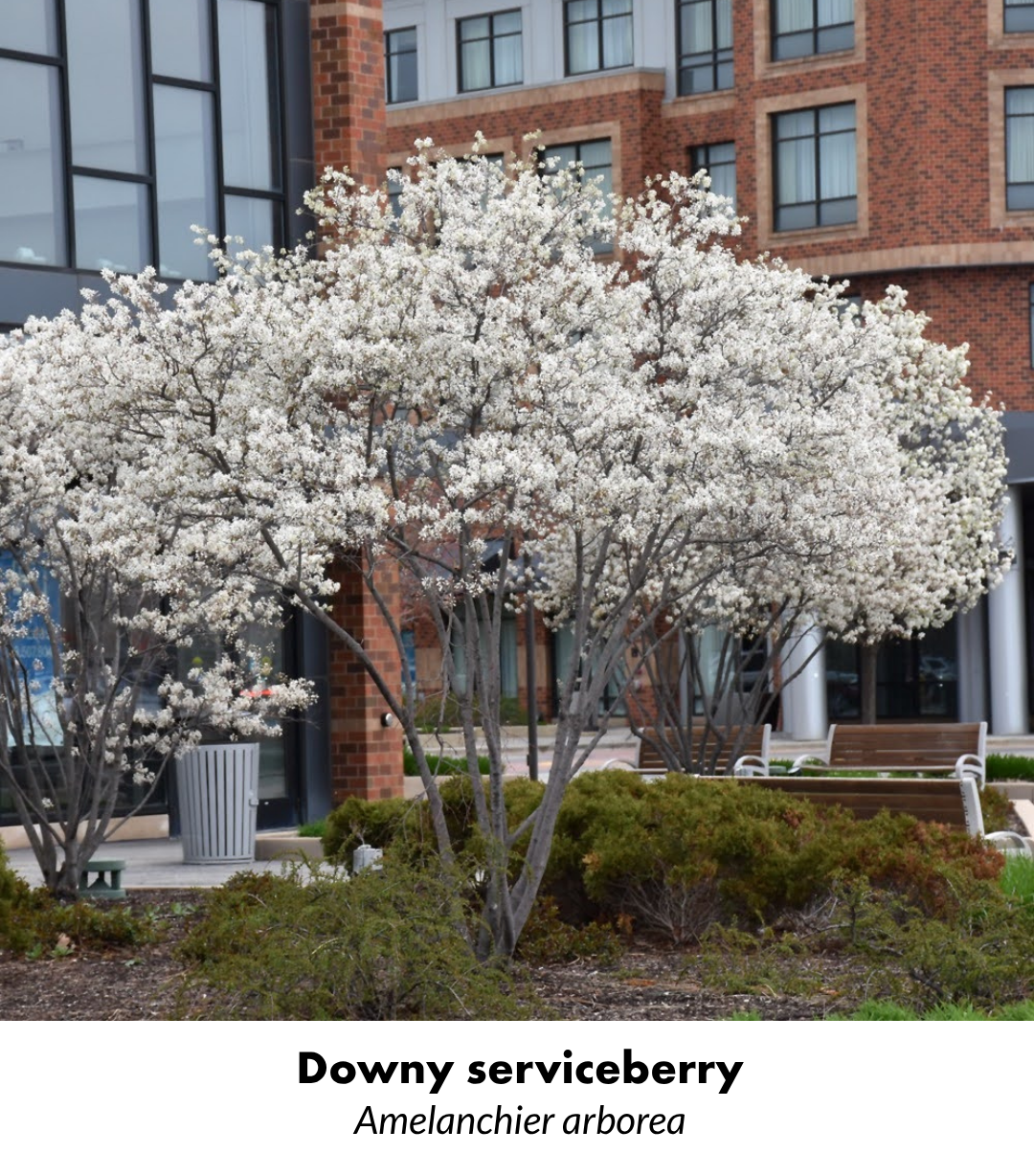
Downy serviceberry (Amelanchier arborea)
Serviceberry flowers provide early spring nectar for pollinators, and the delicious, blueberry-like berries are beloved by animals and people alike. The shrub-like habit offers great nesting sites for small birds.
Take a look at our Top 50 Atlanta Trees resource page to learn more about these tree species and discover more of our favorites.
About the Author
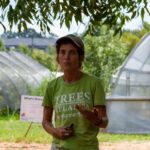 Cate Hughes joined Trees Atlanta in 2017. After managing the volunteer tree planting program for years and a brief stint on the fundraising team, she now manages Trees Atlanta’s native tree seedling nursery. Cate is an ISA-certified arborist and proud caretaker of her own home garden planted with native woody shrubs, perennials, and trees. She delights in the endless wonder, beauty, and surprise of native ecosystems and has never met a “plant person” she didn’t like.
References
American Bird Conservancy. “Attract Birds: A Dozen Native Trees and Shrubs That Birds Love.” American Bird Conservancy, abcbirds.org/news/dozen-native-plants/. Accessed 27 April 2026.
Cubie, Doreen. “Want to Nurture Wildlife? Plant a Native Oak.” National Wildlife, National Wildlife Federation, 26 Sept. 2024, nwf.org/Magazines/National-Wildlife/2024/Fall/Gardening/Planting-Oak-Trees.
National Wildlife Federation. Keystone Native Plants: Eastern Temperate Forests (Ecoregion 8). National Wildlife Federation, nwf.org/-/media/Documents/PDFs/Garden-for-Wildlife/Keystone-Plants/NWF-GFW-keystone-plant-list-ecoregion-8-eastern-temperate-forests.pdf. Accessed 27 April 2026.
National Wildlife Federation. “Seven Species That Need You to Leave the Leaves.” The National Wildlife Federation Blog, National Wildlife Federation, Oct. 2023, blog.nwf.org/2023/10/seven-species-that-need-you-to-leave-the-leaves/.
Ober, Holly K. The Value of Oaks to Wildlife. Publication WEC248, Department of Wildlife Ecology and Conservation, University of Florida Institute of Food and Agricultural Sciences, Aug. 2008, wec.ifas.ufl.edu/media/wecifasufledu/files/cheri/cmcgillicuddy,-UW292-.pdf.
UGA Extension Forsyth County. “Georgia Trees and the Wildlife that Love Them.” YouTube, uploaded by UGA Extension Forsyth County, 22 Oct. 2020, youtube.com/watch?v=4RXSIDqc5V4.


